This article gives you practical, step-by-step methods—from white noise machines to DIY window seals—to dramatically reduce outside noise and get the deep, uninterrupted sleep you need. However, be aware that earplugs can muffle critical sounds like fire alarms or a baby’s cry, and permanent soundproofing changes may violate a rental agreement, so check compatibility with your living situation before committing.
If you are a driver who has ever struggled to fall asleep or stay asleep because of traffic, neighbors, or other outdoor sounds, learning how to block outside noise while sleeping can improve both your rest and your safety on the road. Sleep is not just a nightly ritual; it is the foundation of alertness, reaction time, and judgment. When outside noise creeps into your bedroom, it can leave you feeling groggy even after a full night in bed — and groggy drivers are dangerous drivers.
The good news is that you do not need a major renovation to quiet your sleep environment. This article covers the science of noise and sleep, the simplest tools you can try tonight, and longer-term bedroom upgrades. It also includes practical guidance for drivers who occasionally sleep in their vehicles on road trips or long hauls. Whether you live near a busy street, share walls with loud neighbors, or simply notice more traffic noise than you used to, there is a solution that fits your situation and budget.
Key Takeaways
Safety & Legal: Choose low-NRR earplugs that still let you hear alarms; noise complaint validity depends on.
Rental Compatibility: Avoid permanent structural changes like glued panels or replaced windows if renting; opt for.
Installation Precision: Window inserts and door sweeps require exact measurements—even tiny gaps undermine their ability to.
Ownership Cost: Disposable earplugs create ongoing fees, while reusable earbuds and white noise machines cost more.
Maintenance & Privacy: Heavy acoustic curtains collect dust and need frequent washing, but they also block outside.
Why Sleep Quality Matters for Drivers
Drowsy driving is a serious safety concern in the United States. Federal safety agencies and sleep researchers consistently warn that sleep-deprived drivers experience slower reaction times, reduced attention, and impaired decision-making. Even if you never fall asleep at the wheel, being under-rested can make you less patient and less focused during your commute.
The challenge is that many drivers focus only on how many hours they spend in bed, not on the quality of that sleep. A bedroom exposed to outside noise — barking dogs, passing trucks, late-night garbage collection — can fragment your sleep without you realizing it. You may not remember waking up, but your brain did, and the effects carry into the next day. Over time, chronic poor sleep can affect your mood, memory, and overall health.
How Outside Noise Interrupts Your Sleep
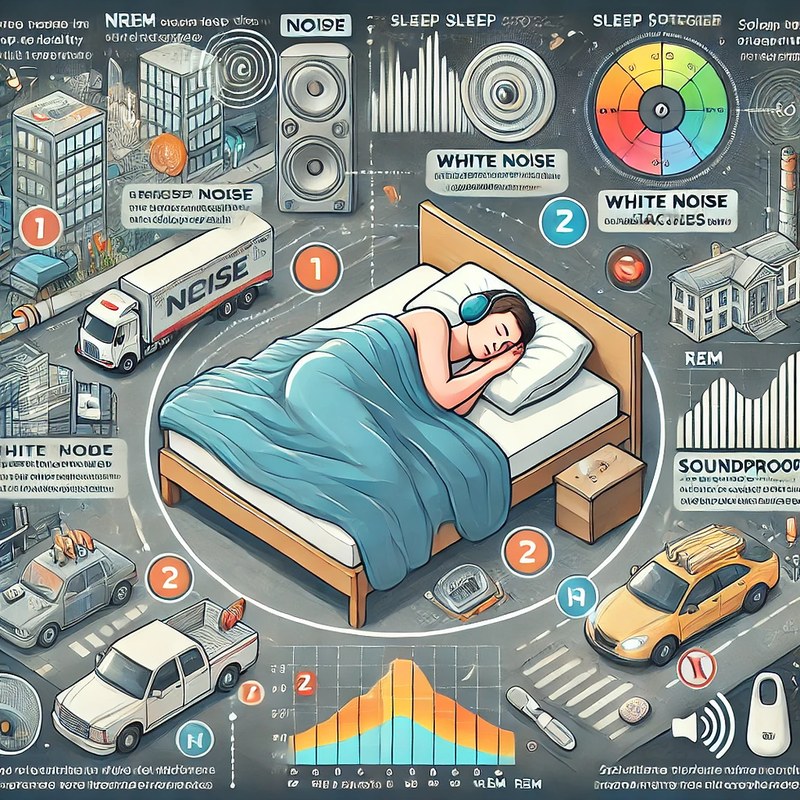
Outside noise from traffic can disrupt sleep and cause awakenings during the night.
Sleep Science
During sleep, your brain continues to monitor the environment for sounds. A sudden noise — a car door slamming, a motorcycle accelerating, a neighbor’s dog barking — can trigger a micro-arousal, a brief shift from deep sleep to a lighter stage. You usually do not remember these moments, but they accumulate through the night. The result is sleep that feels long but not restorative, leaving you tired and less alert the next morning.
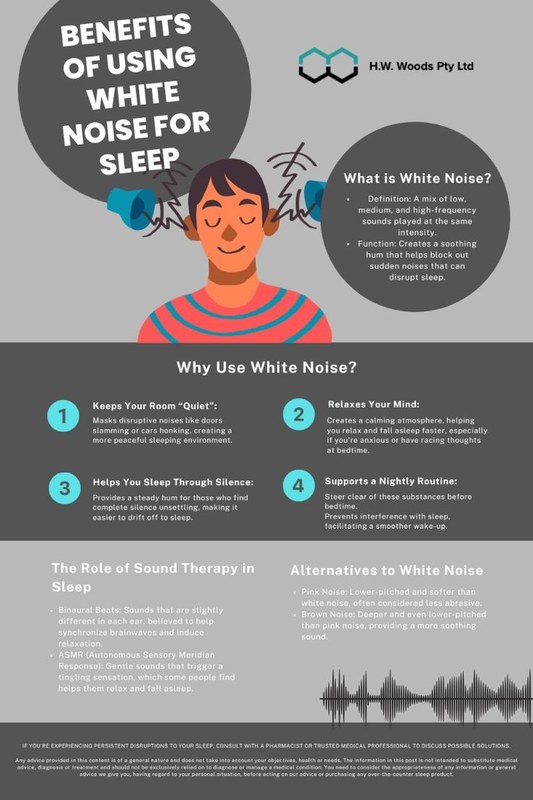
To understand your options, it helps to know the difference between blocking noise and masking it. Earplugs physically block sound from reaching your ear. White noise — a steady, broad sound like a fan or static — masks disruptive sounds by raising the background level so sudden spikes stand out less. Many sleepers use both together: earplugs reduce the loudest peaks, and white noise fills the quiet gaps.
Simple Solutions You Can Try Tonight
Problem
Outside noise keeps you awake at bedtime or wakes you during the night, leaving you unrested for the next day’s drive.
Possible Solutions
Start with the simplest, lowest-cost tools: foam or silicone earplugs, a bedside fan, or a white noise machine. These require no installation and can be tested tonight. If one option is not enough, combine them — earplugs reduce the loudest peaks, while white noise fills the quiet gaps.
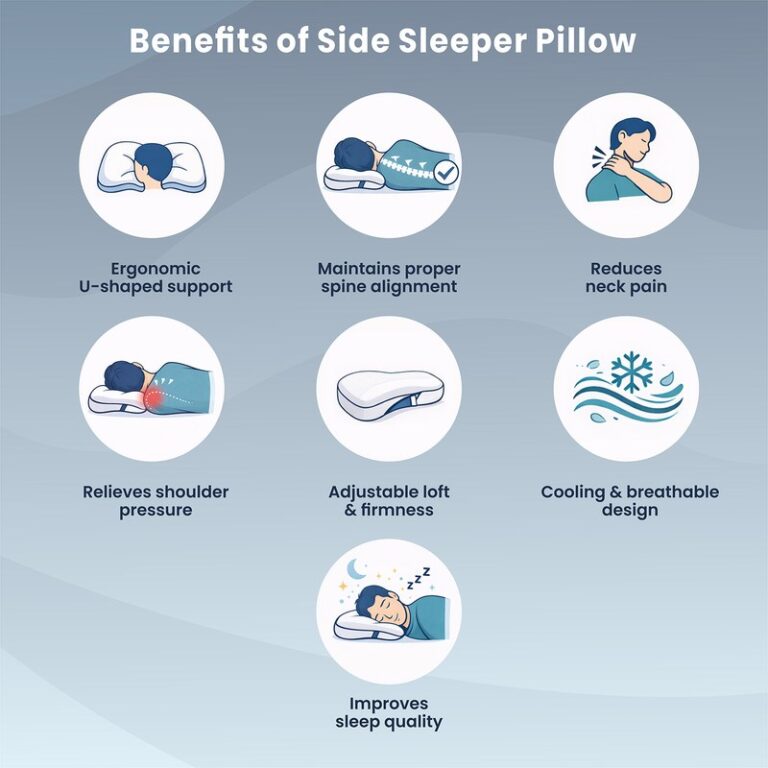
If you are new to earplugs, try them for a short nap or a few hours before committing to a full night. Many people find foam earplugs uncomfortable at first, and it takes a night or two to adjust. Silicone and wax options mold to the ear more gently and are often better for side sleepers. Keep a spare pair on your nightstand and in your travel bag so you always have a quiet option available.
Choosing the Right Noise-Blocking Tools<
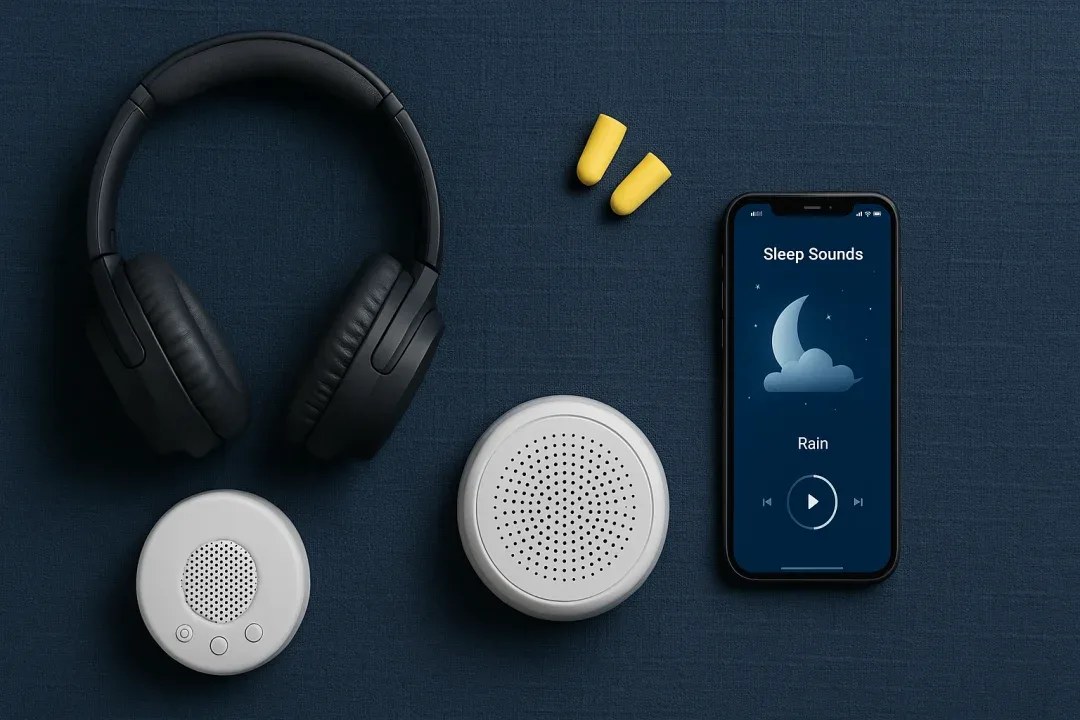
Various noise-blocking tools displayed together for easy comparison
/h2>
Earplugs
Earplugs are the most portable noise-blocking option. Foam earplugs expand to fit the ear canal and are inexpensive, but they can press against the pillow and bother side sleepers. Silicone and wax earplugs sit over the outer ear and are generally more comfortable for sleeping on your side. When shopping, look for the noise reduction rating (NRR) printed on the package; higher numbers indicate more attenuation, but comfort matters just as much as the rating. Keep in mind that earplugs can muffle important sounds like an alarm clock, so test yours on a morning when you do not have to be anywhere.
White Noise Machines and Fans
White noise machines and fans do not block noise physically; they mask it. By creating a steady, continuous sound, they make sudden outside noises less noticeable. Many machines offer multiple sound types — white, pink, or brown noise — as well as adjustable volume and a timer. Fans have the added benefit of airflow, which can help keep the bedroom at a comfortable temperature. If you prefer not to buy a new device, a white noise app on your phone or a basic fan can work just as well for many people. If you use an app, check its privacy settings and permissions, and avoid apps that request unnecessary access to your location or contacts. Some apps also require a subscription for premium sound options, so review the pricing model before you rely on it.
What To Look For
Earplugs: a noise reduction rating that fits your needs, a material suited to your sleep position, and a shape that does not press painfully into your ear
White noise machine: adjustable volume, multiple sound options, a timer or all-night setting, and controls you can operate in the dark
Both: easy cleaning, reasonable cost, and a backup option in case one method stops working for you
Upgrading Your Bedroom for Quieter Sleep
If earplugs and white noise are not enough, it may be time to look at the bedroom itself. Outside noise enters through gaps, thin windows, and shared walls. Sealing those paths can make a meaningful difference, especially in apartments and older homes.
Heavy curtains, draft stoppers, and weatherstripping are the most practical bedroom upgrades for blocking outside noise. Thick, dense fabrics absorb sound, while sealing gaps around windows and doors prevents noise from leaking in. If you rent, these options are usually removable and landlord-friendly. A rug on a hard floor can also reduce echo and make the room feel quieter overall. For shared walls, consider moving your bed away from the wall you share with a neighbor, or placing a bookshelf against it to add a layer of mass.
Bedroom Sleep Check
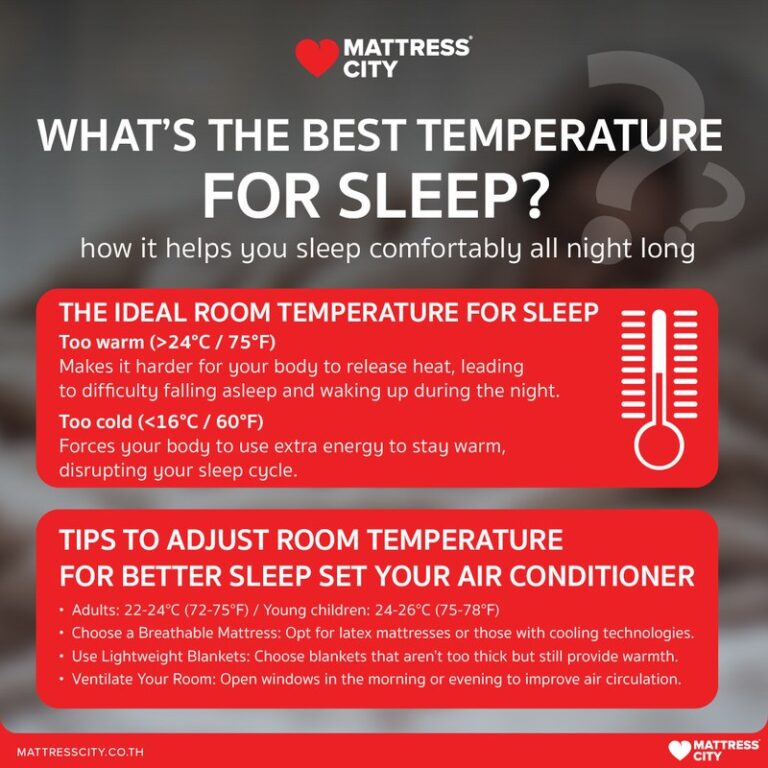
Walk around your bedroom the way you would check your car before a long trip. Can you see light under the door? Do the windows rattle when a truck passes? Is your bed against a wall shared with a noisy neighbor? Address the gaps you find. A quieter room also tends to stay more comfortable, since sealing drafts helps with temperature control and airflow.
For Drivers Who Sleep in Their Vehicle
Road trips, camping, and long-haul routes sometimes mean sleeping in a vehicle. Outside noise is a different challenge here: highway hum, passing traffic, and weather can all disrupt rest. Safety must come first.
Sleep Tip
Never run your engine to keep the vehicle warm or cool while you sleep. Carbon monoxide can build up even with the windows cracked. Instead, park in a safe, legal, well-ventilated overnight spot, dress for the temperature, and use window shades to block light and reduce outside noise. Crack a window slightly for fresh air when weather permits.
For vehicle sleeping, earplugs and a comfortable eye mask are easy to pack. Window shades designed for your vehicle can block both light and some road noise. If you sleep in the back seat or a cargo area, a quality sleeping pad adds cushioning and a little insulation from road hum. Always check local rules about overnight parking before you settle in, and let someone know where you are parked.
Building a Better Sleep Routine
Better Sleep Routine
Set a consistent wind-down time about 30 to 60 minutes before bed. Dim the lights, silence your phone, and let your ears adjust to a quieter environment. If outside noise is unpredictable, start your white noise machine or fan before you get into bed so the sound feels normal by the time you close your eyes. Keep the same routine on weekends, especially before a long drive.
Sleep researchers distinguish between sleep quantity and sleep quality. A room that seems quiet at first can still expose you to intermittent noise that fragments sleep. Because these disruptions are often forgotten by morning, people underestimate how much noise affects them. Addressing outside noise is one of the most practical, drug-free ways to protect sleep quality.
When to Talk to a Professional
If you regularly feel unrested despite a quiet, comfortable bedroom, or if you snore loudly and feel sleepy during the day, consider talking to a doctor or sleep specialist. This article is educational and not a substitute for medical advice. A healthcare provider can help identify underlying sleep issues that noise alone cannot fix.
Final Thoughts
Learning how to block outside noise while sleeping is a practical skill for any driver. Whether you are at home or on the road, a quieter sleep environment helps you wake up more rested and stay more alert. Begin with the simplest tools, pay attention to what works, and build your routine from there.
Written by Elliot Sage
Elliot Sage is a content writer focused on sleep wellness and practical bedroom improvements for American adults. Elliot’s editorial work connects healthy sleep habits to everyday performance, including the alertness drivers need behind the wheel.
Frequently Asked Questions
Look for low-profile, body-conforming options like memory foam earplugs or slim sleep headphones with soft, breathable fabrics. Test the fit during a short nap first, and check for pressure points or heat buildup that could wake you up.
Confirm the installation method is damage-free if you are renting, such as using removable adhesive strips or tension rods instead of screws. Also, check that the material is fire-rated and does not block your window’s emergency exit or ventilation.
Most plug-in white noise machines need a constant outlet, while portable or wearable models run on rechargeable batteries that may last one to three nights per charge. Check the device’s battery capacity and whether it automatically switches to an alarm or shuts off to save power during sleep.
Laws regarding audio recording vary by state or country, so verify that any monitoring device does not record conversations without consent. If you use a smart speaker for sleep sounds, check its privacy settings to disable voice history or microphone access when not needed.
Foam earplugs should be replaced every few days or when they harden, while silicone and reusable options need daily washing with mild soap. White noise machines and fans require periodic dusting or filter cleaning to prevent motor noise and reduced airflow.
Basic foam earplugs have a very low upfront cost but require frequent replacement, while custom-molded earplugs or window inserts involve a higher one-time investment that lasts for years. Remember that no method can block all low-frequency vibrations like traffic bass, so set realistic expectations and combine earplugs with a sound masker for better results.
Hi, I'm Elliot Sage. I used to wake up exhausted every single morning—until I started taking sleep seriously. Now I run AdiAnya, where I review and recommend the sleep tools that actually changed my nights: sound machines, weighted blankets, sleep masks, and bedroom scents. If you're ready to finally sleep well, you're in the right place.