Most daily drivers should deep clean car interior fabrics every two to three months, with weekly vacuuming and immediate spot treatment in between. Move to a monthly schedule if you have pets, kids, or allergies.
If you have ever wondered how often should you wash your car’s interior fabrics, the answer depends on how you use the vehicle, who rides in it, and what the upholstery is made of. For most daily drivers, a deep cleaning every two to three months is a solid baseline, with weekly vacuuming and immediate spot treatment in between. This guide explains the recommended schedule by material and lifestyle, why regular cleaning protects both your health and your car’s value, and how to clean safely without damaging airbag seams, seat sensors, or heating elements.
Key Takeaways
Baseline schedule: Vacuum weekly and deep clean upholstery, carpets, and floor mats every two to three.
Adjust for your household: Pets, children, or allergies call for monthly deep cleaning and more frequent vacuuming.
Material matters: Cloth needs more attention than leather or vinyl, which can be wiped down weekly.
Safety first: Keep moisture and harsh chemicals away from airbag seams, seat sensors, and heating elements.
Cost balance: DIY cleaning saves money per session; professional detailing is worth it for deep stains.
The Short Answer: How Often Should You Wash Your Car’s Interior Fabrics
Standard Recommendation for Daily Drivers and Commuters
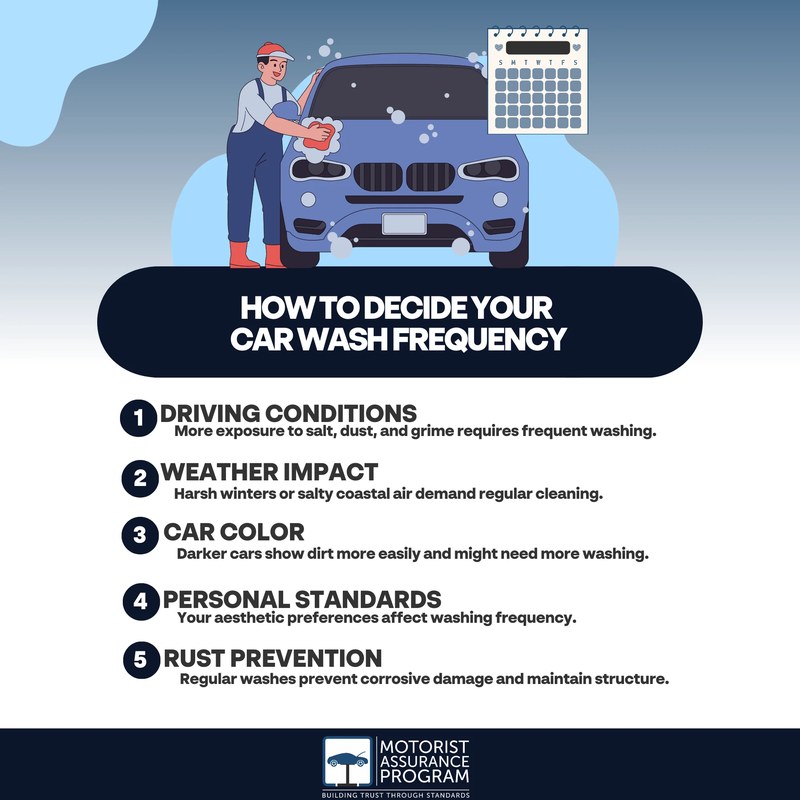
For a typical daily driver, plan on a full interior fabric cleaning every two to three months. That means vacuuming seats, carpets, and cargo areas; shampooing or extracting upholstery; and cleaning floor mats. In between, vacuum weekly or every other week and wipe down hard surfaces monthly. The goal is to remove dirt before it works into the fibers and to keep spills from becoming permanent stains.
If you drive less often or park in a garage, you can stretch the deep cleaning closer to the three-month mark. If you spend long hours on the road or eat in the car regularly, lean toward every two months instead.
When to Adjust the Schedule for Pets, Kids, or Allergies
Households with pets, young children, or allergy sufferers should move to a monthly deep-cleaning schedule. Pet hair and dander embed quickly in cloth, and food crumbs attract dust and bacteria. Weekly vacuuming with a pet-hair brush or rubber squeegee makes a noticeable difference, and you may also want to replace the cabin air filter more often if allergies are a concern.
If you or your passengers have asthma or seasonal allergies, reducing dust and pollen inside the cabin is worth the extra effort. A clean interior means fewer particles circulating through the vents.
Why Cleaning Frequency Actually Matters for Your Vehicle
Regular cleaning preserves vehicle interior surfaces and overall condition.
Allergen and Bacteria Buildup in Cabin Air
Car upholstery and carpet act like large filters for everything that enters the cabin. Dust, pollen, pet dander, mold spores, and bacteria from spills settle into the fibers and get stirred up every time someone sits down or the air blows. Over time, that buildup can make the cabin feel stuffy and can aggravate allergies or asthma.
Regular cleaning also keeps odors from setting in. Perspiration, spilled drinks, and moisture from wet clothes can soak into seat padding, where bacteria thrive and create a sour smell that air fresheners cannot fix.
Fabric Wear, Staining, and Resale Value Impact
Dirt is abrasive. When grit works into cloth upholstery, every sit and slide grinds it against the fibers, causing premature wear and a faded, matted appearance. Stains that are left to set become much harder to remove, and a stained, smelly interior is one of the fastest ways to lower a car’s resale or trade-in value.
Buyers notice interiors. A well-maintained cabin signals that the rest of the vehicle was cared for, while a dirty one invites lower offers. Keeping fabrics clean is one of the cheapest ways to protect the value of your car.
Material-Specific Cleaning Schedules: Cloth, Leather, and Synthetic Blends
Cloth Upholstery and Seat Covers
Cloth is the most absorbent upholstery material, so it needs the most attention. Deep clean every two to three months using an automotive upholstery shampoo and a soft brush, then extract the suds with a wet/dry vacuum or an extractor. If your seat covers are removable, check the care tag; some can be machine washed, but many cannot.
Leather and Vinyl Surfaces
Leather and vinyl are easier to maintain because they do not absorb spills the way cloth does. Wipe them weekly with a damp microfiber cloth, and use a conditioner designed for automotive leather every one to three months to keep the surface supple. Avoid harsh all-purpose cleaners, which can strip the protective finish and cause cracking over time.
Floor Mats, Cargo Liners, and Headliners
Rubber and all-weather mats can be removed, rinsed with water, and scrubbed monthly. Carpeted mats should be vacuumed weekly and shampooed quarterly, just like the upholstery. The headliner is the exception: it is fragile and prone to sagging, so clean it gently with a lightly dampened cloth and mild cleaner only when necessary.
The Driver Impact: How Clean Fabrics Affect Comfort, Focus, and Safety<
Clean car fabrics support driver comfort and focus during travel.
/h2>
Odor Control and Cabin Air Quality on Long Drives
A clean interior is not just about looks. On long drives, stale odors and poor cabin air can cause headaches, fatigue, and worsened allergy symptoms, all of which make it harder to stay focused. Fresh-smelling, breathable fabric and a clean cabin air filter make long trips more comfortable and help you stay alert.
Sensor Interference and Visibility Risks from Dirty Surfaces
Dirty interiors can create subtle safety problems. Debris that collects under the seats or pedals can interfere with pedal travel, and wet or heavily soiled floor mats can slide out of position. Over-saturating seats during cleaning can also affect the occupant sensors and heating elements built into many modern seats, which may trigger warning lights. Interior dust that settles on glass and the dashboard can also reduce visibility and cause glare in low sun, so regular vacuuming helps keep every surface clear.
Step-by-Step Interior Fabric Cleaning Guide
Pre-Treatment and Deep Vacuuming Techniques
Start by removing trash, floor mats, and loose items. Vacuum the seats, carpets, and cargo area using a crevice tool for tight spaces, and brush the fibers with a soft upholstery brush to loosen embedded dirt before vacuuming again. Pre-treat visible stains with an automotive upholstery cleaner, and always test the product on a hidden area first to confirm it will not discolor the fabric.
Shampooing, Extraction, and Spot-Cleaning Methods
Work in small sections. Apply the upholstery shampoo, agitate gently with a soft brush, and remove the foam with a wet/dry vacuum or an extractor before it dries. For spot cleaning, blot the stain with a clean microfiber towel instead of rubbing; rubbing pushes the liquid deeper into the padding. Avoid soaking the fabric, because excess moisture takes a long time to dry and can lead to mold.
Proper Drying and Post-Cleaning Protection
After cleaning, open the windows or use a fan to dry the interior thoroughly. Do not reinstall floor mats or seat covers until everything is completely dry. If you want extra protection, apply a fabric protector labeled for automotive use, but check the product instructions and your owner’s manual first.
Safety First: Chemicals, Airbag Seams, and Seat Wiring
Avoiding Harsh Cleaners Near Airbag Deployment Zones
Many vehicles have side airbags that deploy through the seams of the seat upholstery. Harsh chemicals, silicone-based dressings, or heavy moisture in these areas can weaken the seam fabric or interfere with deployment. Never spray cleaner directly into seat seams, and follow the cleaning guidance in your owner’s manual.
Protecting Occupant Sensors and Seat Heating Elements
Modern seats often contain occupant classification sensors and heating elements. Over-wetting the seat cushion can damage these components and trigger airbag warning lights. Use minimal moisture, avoid directing spray at the seat base or side bolsters, and allow seats to dry completely before driving. If you are unsure about your vehicle’s seat construction, a professional detailer can clean it safely.
Ownership Cost: DIY Cleaning vs. Professional Detailing
Upfront Costs of Supplies and Equipment
DIY cleaning requires a vacuum, soft brushes, microfiber towels, and an upholstery cleaner. You can start with a basic kit, or invest in a wet/dry vacuum or extractor for deeper results. Professional interior detailing packages vary widely by shop, vehicle size, and condition, so it is worth getting a quote before committing.
Long-Term Savings from Consistent Maintenance
Consistent DIY cleaning is the least expensive way to keep an interior in good shape, and it prevents the deep stains and odors that make professional remediation necessary. That said, a professional deep cleaning once or twice a year can be a worthwhile supplement, especially for removing embedded dirt that household equipment cannot fully extract.
Advantages
Lower cost per cleaning once you own the supplies
You control which products touch your upholstery
Easy to stay on a regular schedule at home
Considerations
Good equipment can be a significant upfront investment
Cleaning takes time and physical effort
Over-wetting risks sensor and airbag damage
Limitations and When to Call a Professional
Stubborn Stains, Mold, and Mildew Remediation
Some problems are beyond a home cleaning kit. Coffee, ink, grease, and pet accidents can require specialized products or professional extraction. If you notice a musty smell or dark spots after cleaning, moisture may have reached the foam padding, and mold or mildew could be growing underneath. In that case, a professional detailer has the equipment to dry, sanitize, and deodorize the interior properly.
Problem
A musty smell or dark spots remain after you clean the upholstery.
Possible Solutions
Dry the car thoroughly with the windows open or a fan, and check whether the odor comes from the seat padding or the cabin air filter. If the smell persists, have a professional detailer inspect and treat the interior, and replace the cabin air filter if needed.
Manufacturer Warranty and Recommended Care Guidelines
Your owner’s manual is the best source for cleaning guidance specific to your vehicle. Some manufacturers warn against certain chemicals, protectants, or aftermarket seat covers that could affect seat sensors or airbag deployment. Using the wrong product could complicate warranty claims related to seat components, so follow the manual and keep receipts for any professional work.
Next Steps: Building a Practical Cleaning Schedule That Fits Your Life
Monthly, Quarterly, and Seasonal Checklists
Monthly: vacuum the interior, wipe down hard surfaces, shake out floor mats, and spot-clean any new stains. Quarterly: deep clean the upholstery, shampoo carpeted mats, and condition leather surfaces. Seasonally: replace the cabin air filter, and do a thorough deep clean before winter and summer so salt, sand, and heat do not set into the fabric.
Quick Maintenance Habits Between Full Cleanings
Small habits keep the schedule manageable. Keep a small trash bag in the car, wipe spills immediately, and shake out floor mats when you fill up with gas. A handheld vacuum or lint roller is great for quick touch-ups, and avoiding food in the car will dramatically reduce how often you need a deep clean.
Final Thoughts
Most drivers can protect their car’s interior with weekly vacuuming and a deep clean every two to three months. Adjust the schedule for pets, kids, allergies, and material type, and always keep safety in mind by avoiding harsh chemicals near airbag seams and seat electronics. Consistent maintenance is the cheapest way to preserve cabin comfort, air quality, and resale value.
Written by Elliot Sage
Elliot Sage writes practical ownership and maintenance guides for Adianya, focusing on safety-conscious, people-first advice for everyday drivers. He explains routine car care in plain language so owners can protect their vehicles without guesswork.
Frequently Asked Questions
For a daily driver, deep clean cloth upholstery, carpets, and floor mats every two to three months. Vacuum weekly and spot-clean spills immediately. Households with pets, kids, or allergies should move to a monthly deep-cleaning schedule.
Some are safe, but many contain harsh detergents or leave residues that attract dirt. Use a cleaner labeled for automotive upholstery, test it on a hidden area first, and avoid over-wetting the seat so you do not damage sensors or heating elements.
Use minimal moisture, spray cleaner onto a brush or towel instead of directly onto the seat, and keep liquids away from the side seams where airbags deploy. Allow the seat to dry completely before driving, and check your owner’s manual for model-specific guidance.
Dry the vehicle thoroughly and vacuum the affected area before applying any cleaner. If mold has reached the seat padding or the smell persists, professional detailing is the safer option because home cleaning can spread spores or leave moisture behind.
Professional pricing varies by shop, vehicle size, and condition, so get a quote in advance. DIY cleaning costs less per session once you own the supplies, but professional equipment can remove embedded dirt and odors more effectively.
Yes. A clean, odor-free interior signals that the vehicle was cared for, and preventing stains and fabric wear protects the cabin’s appearance. Buyers and trade-in appraisers typically value a well-maintained interior more highly.
Hi, I'm Elliot Sage. I used to wake up exhausted every single morning—until I started taking sleep seriously. Now I run AdiAnya, where I review and recommend the sleep tools that actually changed my nights: sound machines, weighted blankets, sleep masks, and bedroom scents. If you're ready to finally sleep well, you're in the right place.
Quick Sleep Verdict This article gives you practical, step-by-step methods—from white noise machines to DIY window seals—to dramatically reduce outside…