A hot car pillow usually comes down to heat-trapping materials, a warm cabin, and blocked airflow around your head and neck. Cooling it means choosing breathable materials and improving cabin ventilation before you settle in.
If you have ever asked yourself why does my pillow get hot at night while you are trying to rest in your car, you are not alone. Whether you are catching a few hours at a rest stop, waiting for a ferry, or sleeping in the passenger seat on a long road trip, a warm pillow can turn a short nap into a restless night. The good news is that the problem is fixable once you understand what is actually heating up your headrest pillow.
In this guide, I will walk through the five most common causes, the fixes that actually work, and what to look for in a cooler travel pillow — plus a few safety considerations that are easy to overlook.
Key Takeaways
Materials matter: Memory foam and polyester trap heat; breathable covers and open-cell fills stay cooler.
Cabin heat lingers: A parked car releases stored heat for hours after sunset, so park in shade.
Climate controls count: Heated seats and high cabin temperatures directly warm your pillow.
Airflow is blocked: Headrest and seat design trap heat around your neck, so leave a small air.
Safety comes first: Never position a pillow where it can interfere with seat belts, headrests, or airbags.
Why Does My Car Pillow Get Hot at Night? The Short Answer
A car pillow gets hot at night because of a combination of heat-retaining materials, residual cabin heat, climate and seat settings, blocked airflow around the headrest, and your own body heat in a small enclosed space. Each factor alone may be mild, but together they can make the pillow feel noticeably warm within minutes.
What “Hot Pillow” Really Means in a Car Context
Unlike a bed pillow, which sits on a mattress in a room you can ventilate, a car pillow is pressed between your head and a seat that is designed to hold heat. The headrest area is surrounded by upholstery, plastic trim, and glass, all of which absorb and reflect warmth. A pillow that feels neutral to the touch when you enter the car can feel warm after a few minutes of contact because the materials around it are already holding heat from the day.
A bed pillow warms up gradually over hours. A car pillow can heat up much faster because it sits against a warm seatback, close to glass, in a small volume of air your body is actively heating.
Reason #1: Heat-Retaining Materials Like Memory Foam and Polyester
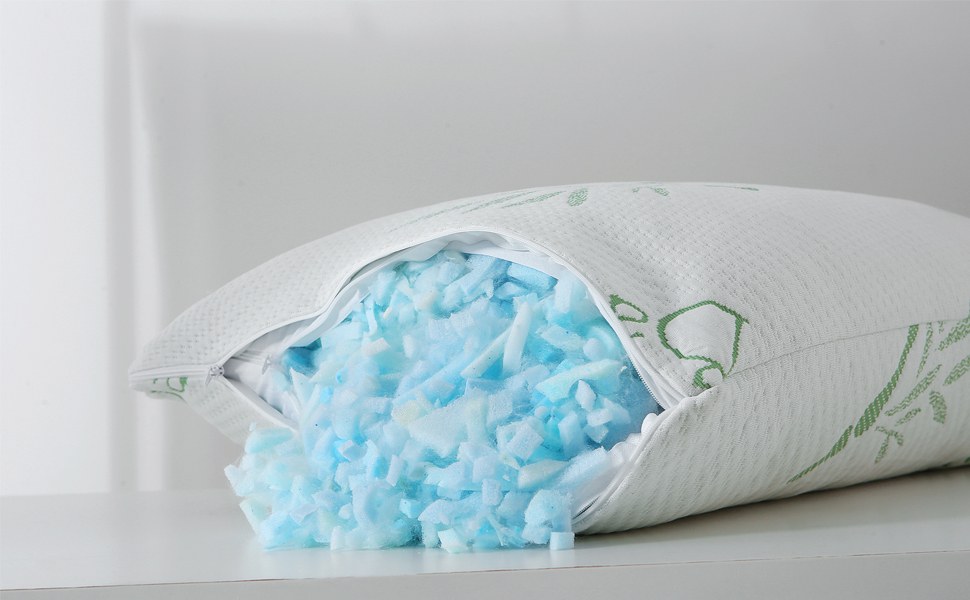
Memory foam and polyester pillow materials retain body heat during sleep.
Most travel pillows are made from memory foam or polyester fiberfill because those materials are inexpensive, lightweight, and supportive. The same qualities that make them comfortable also make them poor at releasing heat. Memory foam responds to body warmth by softening and molding to your neck, but it also absorbs that warmth and holds it close to your skin. Polyester fiberfill does the same thing — it traps air pockets that insulate, which keeps heat in rather than letting it escape.
This is not a flaw unique to car pillows. The same heat retention happens with bed pillows, mattress toppers, and seat cushions made from dense foam. But in a car, the effect is stronger because there is less airflow and the surrounding surfaces are warmer.
Materials & Construction
Memory foam and polyester fill are common in car pillows because they mold to the neck and hold their shape. The tradeoff is breathability. Open-cell foams and covers made from cotton, bamboo, or mesh allow more air movement, while dense foam and synthetic fills tend to trap heat. If you tend to sleep warm, look for a pillow with a removable, washable cover and a fill that is described as breathable or cooling.
Reason #2: Your Car Cabin Traps Heat Even After the Sun Goes Down
A parked car acts like a greenhouse. Sunlight streams through the windows and heats the dashboard, seats, and upholstery, and those surfaces continue to release heat for hours after the sun sets. On a warm day, the inside of a closed car can stay noticeably warmer than the outside air well into the night. If you park in direct sunlight and then try to sleep a few hours later, your pillow is resting against a seat that is still radiating stored heat.
Interior color plays a role too. Darker upholstery absorbs more solar energy and releases it more slowly, so the hot-pillow problem can feel worse in some vehicles than others.
Ventilation is part of the equation as well. When the windows are closed and the car is parked, there is almost no air movement inside the cabin. The heat released by the seats, dashboard, and glass has nowhere to go, so it lingers in the air around your head and neck.
Reason #3: Heated Seats and Climate Control Are Warming Your Pillow<
Heated seats and climate control vents can warm a pillow left in the car.
/h2>
This one is easy to overlook. If your vehicle has heated seats, the heating elements run through the seatback as well as the bottom cushion. Leaving a seat heater on — even on a low setting — can warm the entire seatback, including the headrest area. Setting the climate control high before a nap also circulates warm air around your head and neck, heating the pillow from the outside.
Heated rear seats and remote start can also pre-warm the surfaces you plan to sleep against, so check those settings as well.
How to Adjust Your Car’s Climate Settings for Cooler Comfort
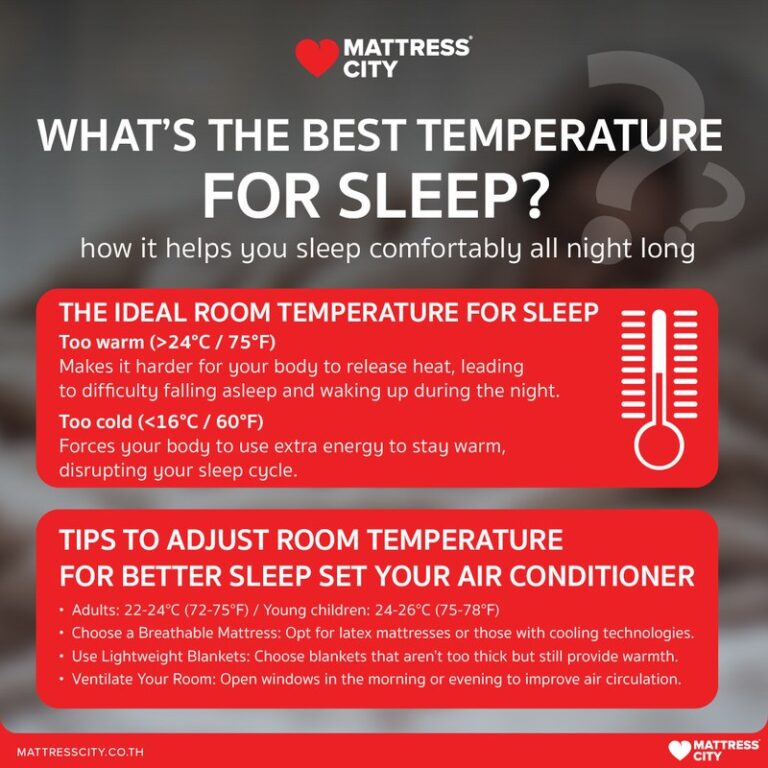
Before you settle in, turn off the seat heaters and set the cabin temperature a few degrees lower than you think you need. Use the fan on a low or medium setting rather than letting the air go stagnant, and direct the vents toward your face and neck. If it is safe and legal to do so, cracking a window an inch or two can make a much bigger difference than any pillow change.
If you are sleeping in the car with the engine off, you cannot run the climate control all night. In that case, the best approach is to cool the cabin before you park, then use passive ventilation like cracked windows and a sunshade to keep the temperature from climbing back up.
Reason #4: Headrest and Seat Design Blocks Airflow Around Your Neck
Car seats are designed for support and safety, not airflow. The headrest pushes your head forward slightly, and the seat bolsters hug your shoulders. When you place a pillow between your head and the headrest, you create a pocket of trapped air. That pocket has nowhere to go, so the heat from your head and neck builds up quickly. The more the pillow fills the gap, the less air can circulate.
This is especially noticeable with U-shaped travel pillows. They wrap around the back of your neck and create a seal against the seat, which is comfortable for support but terrible for ventilation. The combination of the pillow, the headrest, and the seatback forms a small, insulated chamber around your neck.
Sleep Tip
Try repositioning the pillow so it supports the side of your neck rather than filling the entire space behind your head. Leaving a small air gap behind your head allows heat to escape and reduces neck strain. You can also try a smaller, flatter pillow if the U-shape feels too warm.
Reason #5: Your Body Heat Has Nowhere to Escape in a Confined Cabin
Your body is constantly producing heat, and during sleep your core temperature naturally drops as part of the sleep cycle. In a normal bedroom, that heat disperses into a large volume of air. In a car cabin, the space is small and mostly sealed, so your body heat raises the air temperature around you. The pillow, pressed against your head and neck, absorbs that heat and becomes a heat sink. If you are sleeping with the engine off, there is also no active ventilation to carry the heat away.
The effect is stronger if you are sharing the car, since two people generate roughly twice as much body heat in the same small space.
Sleep Science
Your body regulates temperature as part of the sleep cycle, and a cool environment helps signal that it is time to rest. When the area around your head and neck stays warm, your body has a harder time shedding heat, which can make sleep feel shallow and restless. Keeping the microclimate around your head cool is one of the simplest ways to improve sleep quality, whether you are in a bed or a car seat.
How to Keep Your Car Pillow Cool: 5 Practical Fixes
Here are five practical fixes you can apply tonight, in order of how quickly they work.
Problem
Your car pillow feels hot within minutes of resting your head, making it hard to fall asleep or stay asleep.
Possible Solutions
Switch to a pillow with breathable materials, improve cabin airflow, turn off seat heaters, adjust the climate control, and use a cooling cover or rotate the pillow to expose a cooler surface.
Switch to a breathable pillow or cover. Look for cotton, bamboo, or mesh covers and open-cell foam or cooling-gel fills. These materials allow heat to escape instead of trapping it against your skin.
Improve cabin ventilation. Crack a window an inch or two, use a sunshade during the day, and park in the shade whenever possible. A cooler cabin means a cooler pillow.
Turn off seat heaters and lower the cabin temperature. Check the seat heater controls before you settle in, and set the climate control a few degrees lower than feels comfortable while you are awake.
Rotate or fluff the pillow. Flipping it over exposes a cooler surface and redistributes the fill. This takes five seconds and can help for a while.
Use a dedicated cooling cover. A thin, breathable cover adds a barrier between your skin and the warm pillow material, and it is easier to wash than the pillow itself.
What to Look For in a Cooler Car Pillow
If you are shopping for a new travel pillow, focus on materials, fit, and honest expectations. Not every pillow labeled “cooling” performs well in a car, and the best pillow will not help if it does not fit your seat.
What To Look For
Breathable cover: Cotton, bamboo, or mesh covers allow air to move and are easier to clean than synthetic fabrics.
Cooling fill: Open-cell foam, gel-infused foam, or phase-change materials are designed to feel cooler than dense memory foam.
Headrest compatibility: Check whether the pillow attaches to your vehicle’s headrest posts and whether it fits your seat shape.
Removable cover: A washable cover makes maintenance much easier, especially if you use the pillow for travel.
Honest limitations: No pillow can overcome a hot, closed-up cabin. Manage the environment as well as the pillow.
Cooling Materials and Breathable Covers
The material that touches your skin matters more than the fill. A pillow with a dense polyester cover can feel warm even if the inside has cooling gel. Look for covers made from natural or breathable fibers, and check if the cover is washable. Gel-infused foam can feel cooler to the touch initially, but it still traps heat over time if the cover is not breathable.
Phase-change materials are a step up. They absorb heat as they change state, creating a cooling effect that lasts longer than a simple gel, but they cost more and need time to reset before they can cool again.
Compatibility With Your Vehicle’s Seats and Headrests
Car pillows come in different shapes and attachment styles. Some wrap around the headrest posts, while others simply rest against the seat. Before buying, check your vehicle’s headrest design — some are fixed, some are adjustable, and some have electronic controls or speakers built in. A pillow that does not fit securely can shift while you sleep or interfere with the headrest’s position, which matters for safety.
Also consider the seat angle. A pillow designed for an upright chair may not fit a reclined seat, and one that is too thick can push your head forward. Check the product dimensions and read owner reviews from people with a similar vehicle.
Cost, Durability, and Limitations
Prices for travel pillows vary widely depending on materials and brand, and durability varies just as much. A cheap pillow with thin foam may flatten after a few trips, while a higher-quality one can last for years if the cover is washable. The main limitation is that no pillow can fix a hot cabin. Even the best cooling pillow will feel warm if the car has been baking in the sun all day.
Warranty and return policy matter too. Most travel pillows are treated as consumables, so buy from a retailer with a reasonable return policy if you are unsure about fit.
The Bottom Line: Sleep Cooler, Drive Safer
A hot car pillow is usually a sign that heat is building up around your head and neck, not a sign that something is wrong with you or your car. Choosing breathable materials, managing climate settings, and improving airflow can make rest stops and overnight drives far more comfortable.
And always remember the safety side: never place a pillow or any accessory in a position that could interfere with your seat belt, headrest, or airbag deployment. A pillow that moves your head too far from the headrest, or that sits in front of a side airbag, can be dangerous in a crash.
Final Thoughts
If you sleep warm in your car, start with the simplest fixes first: turn off the seat heater, lower the cabin temperature, crack a window, and try a breathable pillow cover. If those changes are not enough, a pillow made with cooling materials and a washable cover is worth the upgrade. The goal is not just a cooler pillow — it is safer, more restful sleep so you can stay alert behind the wheel.
Frequently Asked Questions
Sleeping in a parked car with a neck pillow is generally safe if the vehicle is well-ventilated and you are not in an enclosed space with the engine running. Always position the pillow so it does not interfere with your seat belt or headrest.
Yes, if it is positioned incorrectly. A thick pillow can push your head too far forward or change the headrest angle, which reduces crash protection. Never place anything in front of a side airbag.
Check the manufacturer’s care label first. Many pillows have removable, machine-washable covers, while the inner foam should be spot-cleaned and air-dried. Washing memory foam in a machine can damage it.
A cooling pillow can help, but it is not a cure-all. Gel-infused foam and breathable covers feel cooler at first and help move heat away, but a hot cabin will overwhelm any pillow. Manage the cabin temperature first.
Rules vary by state and by the specific rest area. Many highway rest areas allow short overnight stays, but some cities restrict overnight parking or sleeping in vehicles. Check local signs and regulations before settling in.
Check the cover material, fill type, headrest attachment style, and whether the cover is removable and washable. Measure your headrest posts or seat shape to confirm compatibility, and read the return policy.
Hi, I'm Elliot Sage. I used to wake up exhausted every single morning—until I started taking sleep seriously. Now I run AdiAnya, where I review and recommend the sleep tools that actually changed my nights: sound machines, weighted blankets, sleep masks, and bedroom scents. If you're ready to finally sleep well, you're in the right place.