Keep your vehicle cabin between 40–60% relative humidity for the best night of car sleep. Use ventilation, moisture control, and a hygrometer to stay in that range.
If you’ve ever woken up stiff-necked inside a fogged-up car, you already know that finding the best humidity level for sleeping in a vehicle can make or break an overnight trip. Whether you’re car camping, catching rest at a rest stop, or sleeping in your SUV on a long road trip, managing cabin moisture is the difference between a deep, restorative sleep and a damp, restless night.
Key Takeaways
Target range: Keep cabin relative humidity between 40–60% for comfortable, restful sleep.
Ventilation matters most: Cracked windows or a powered fan move humid air out and prevent condensation.
Protect your battery: Fans, dehumidifiers, and climate systems can drain a starter battery; use low-voltage protection.
Monitor and adjust: A hygrometer tells you whether your setup works before moisture becomes a problem.
Safety first: Never idle a gas vehicle overnight without checking exhaust clearance and local anti-idling laws.
What Is the Best Humidity Level for Sleeping in a Vehicle?
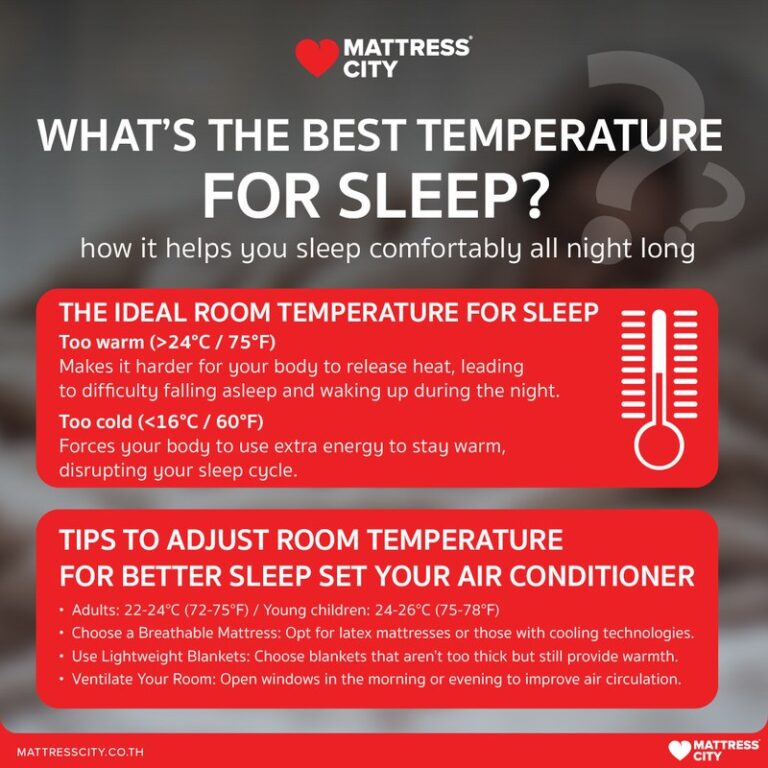
The short answer is 40–60% relative humidity. That same range recommended for bedrooms applies to vehicle cabins, but the way you achieve it looks very different when you’re working with a sealed metal-and-glass space instead of a house.
Why 40–60% Relative Humidity Is the Sweet Spot for Restful Sleep
Relative humidity measures how much moisture the air holds compared with its maximum capacity at a given temperature. When humidity sits between 40% and 60%, the air feels comfortable, your respiratory system stays hydrated, and you’re less likely to wake up with a dry throat or congested sinuses.
Sleep Term
Relative Humidity (RH): The amount of water vapor in the air compared with the maximum it can hold at that temperature, expressed as a percentage. Warm air holds more moisture than cold air, which is why the same amount of water vapor can feel dry at midday and damp at dawn.
Above 60%, the air starts to feel sticky. Condensation forms on windows, bedding feels clammy, and mold can begin to grow on porous surfaces like headliners and seat fabric. Below 40%, you may deal with dry eyes, a scratchy throat, and static-filled bedding.
Sleep Science
Research on bedroom environments suggests that humidity outside the 40–60% range can interfere with sleep comfort, partly because it affects how your body regulates temperature and how easily you breathe. The same principle applies in a vehicle cabin, but the smaller air volume means humidity swings happen much faster.
How Vehicle Cabin Humidity Differs From a Bedroom Environment
A typical bedroom contains a large volume of air, and even with the door closed, some leakage around windows and under doors allows moisture to escape. A car cabin is far more sealed. With the windows up and the ventilation system off, the interior becomes an airtight chamber.
That means two sleeping adults can raise the humidity inside a car much more quickly than they could in a bedroom. It also means the consequences of getting it wrong — fogged windows, damp bedding, musty odors — show up within hours rather than days.
Why Car Cabins Trap Humidity Overnight — The Science
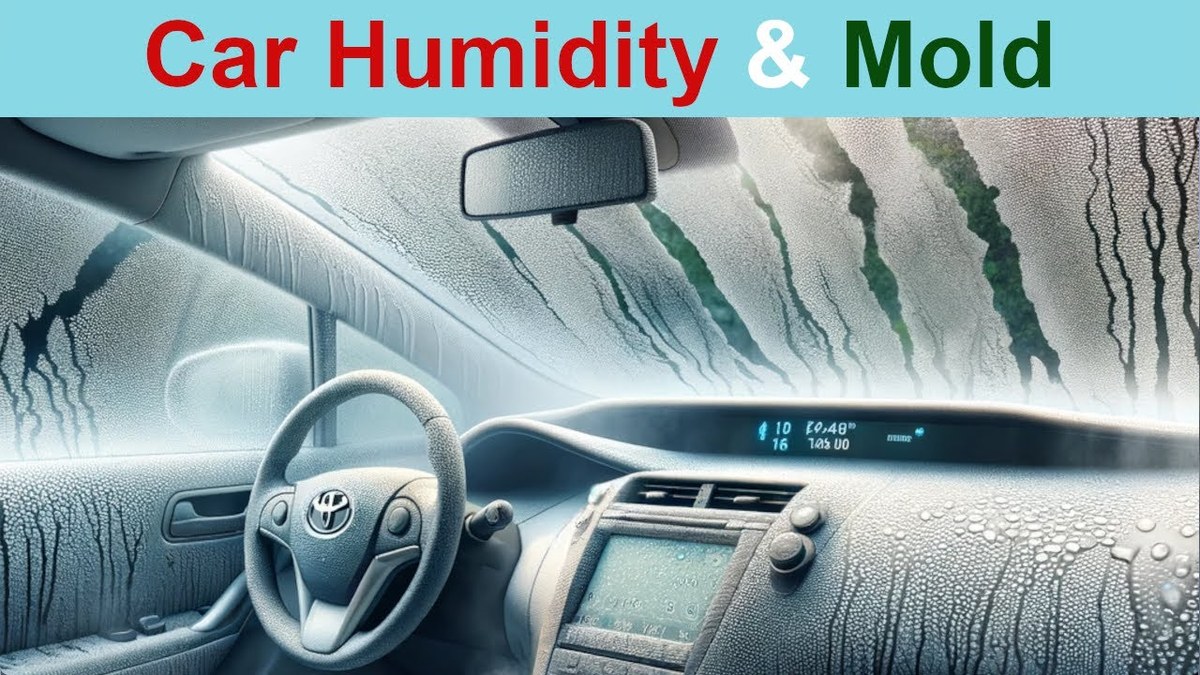
Condensation forms on car windows when overnight humidity is trapped inside.
Condensation, Fogged Windows, and Mold Risks You Can’t Ignore
When warm, moist air meets a cold surface, the water vapor condenses into liquid. That’s exactly what happens on your windows overnight. As your body heat warms the cabin air, it absorbs moisture from your breath and skin. When temperatures drop toward dawn, that warm air cools and releases the moisture onto the coldest surfaces — usually the glass.
Problem
Waking up to soaked windows, damp bedding, or a musty smell means the cabin stayed above 60% relative humidity for hours. Left unchecked, that moisture can soak into headliners, seat foam, and carpet.
Possible Solutions
Improve airflow with cracked windows or a powered vent, use a moisture absorber, and wipe down condensation-prone surfaces before you sleep. If you catch mold starting, address it immediately before it spreads.
How Breathing and Body Heat Spike Humidity Levels in a Sealed Cabin
Every breath you exhale contains water vapor. Two adults sleeping in a closed car for eight hours can release more than a pint of moisture into the air. Add perspiration and the warmth of your body under a sleeping bag, and the cabin humidity climbs quickly.
The problem is compounded by temperature swings. Warm air holds more moisture than cold air, so a cabin that feels comfortable at 10 p.m. can become saturated by 4 a.m. as outside temperatures fall. The result is heavy condensation on the inside of every window.
Ventilation Strategies That Actually Work for Overnight Sleep
Cracked Windows vs. Roof Vents — Pros, Cons, and Trade-Offs
Cracking two opposing windows by an inch or two is the simplest way to create cross-ventilation. It costs nothing and requires no installation. The trade-off is that it lets in outside noise, insects, and cold air — and it can compromise security in urban areas.
Advantages of Cracked Windows
Free and available in any vehicle
Creates natural cross-flow when two windows are open
No installation or permanent modification
Considerations
Allows insects, noise, and rain to enter
Reduces privacy and security
May not move enough air in humid climates
Roof vents, common in overlanding and van builds, exhaust warm, moist air upward. They work well with windows cracked slightly to create intake airflow. The downside is that installing one requires cutting into the roof, which is a significant commitment for a daily driver.
Powered Fans and Ventilation Systems for Car Camping and Road Trips
Battery-powered clip-on fans and 12V fans can keep air moving across your face and body, which helps with both temperature and humidity perception. They won’t remove moisture from the cabin, but they reduce the clammy feeling and help prevent condensation from settling on your bedding.
For serious car campers, a powered roof vent with an integrated fan moves far more air than a clip-on fan. These systems pull humid air out of the cabin and draw fresh air in through window gaps. They require a power source and a roof opening, so they’re best suited to dedicated camping vehicles rather than daily drivers.
Sleep Tip
Whatever ventilation method you choose, test it before your first overnight trip. Sleep in your car in the driveway for a night and check the windows and bedding in the morning. That tells you whether your setup actually controls moisture before you rely on it far from home.
Using Your Vehicle’s Climate Control to Manage Humidity<
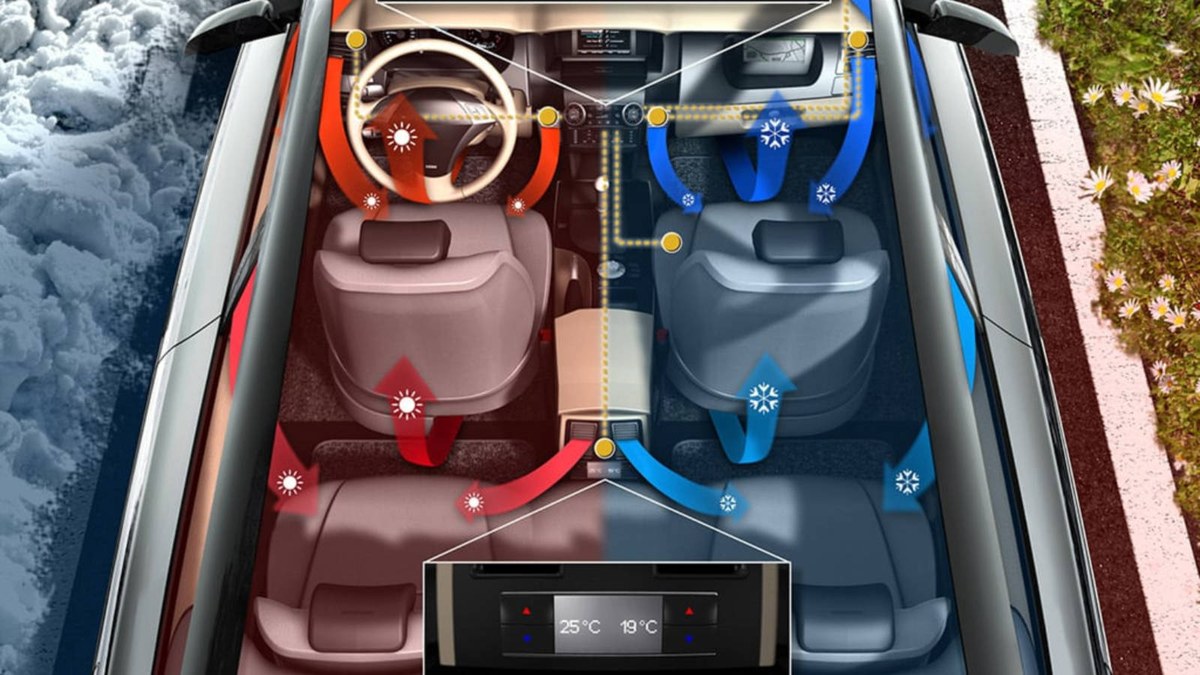
Using a vehicle’s climate control can help manage cabin humidity while sleeping.
/h2>
EV Camp Mode and Climate Hold — What Works and What Doesn’t
Many modern electric vehicles offer a camp mode or climate hold feature that keeps the cabin at a set temperature while parked. Because the system runs on the main battery, it can maintain a comfortable environment for hours without producing exhaust. That makes EVs well suited to overnight sleeping.
The catch is energy consumption. Running the climate system all night draws from the same battery that gets you home in the morning. The exact drain varies by vehicle, outside temperature, and the temperature you set, so check your vehicle’s range estimate and plan a charging buffer.
Gas and Hybrid Vehicles — Idling, Battery Drain, and Local Anti-Idling Laws
Idling a gas or hybrid vehicle to run the climate control works in theory, but it comes with real concerns. Carbon monoxide from the exhaust can enter the cabin if the vehicle is parked in a confined space, snow blocks the tailpipe, or the exhaust system has a leak. Never run an engine while sleeping with the windows fully closed.
Many US cities and states also have anti-idling laws with fines for leaving a vehicle running while parked. If you plan to idle overnight, check local regulations first and make sure the vehicle is in a well-ventilated outdoor location with the tailpipe clear.
Moisture Absorbers and 12V Dehumidifiers — Do They Actually Help?
Silica Gel, DampRid, and Reusable Desiccants for Small Cabins
Desiccant products like silica gel packs and DampRid absorb moisture from the air without using power. They’re useful in small cabins for controlling background humidity, especially when the vehicle is parked and sealed for days at a time.
The limitation is capacity. A small desiccant container removes only a fraction of the moisture two people exhale overnight. Think of these as maintenance tools rather than overnight solutions. Rechargeable desiccants can be dried out and reused, which lowers the long-term cost.
12V Dehumidifiers — Effectiveness, Power Draw, and Realistic Expectations
Compact 12V dehumidifiers are popular among car campers, but their performance varies widely. Most small thermoelectric units are best at maintaining an already-dry cabin rather than drying out a saturated one. They also draw power continuously, which can drain a starter battery overnight if the vehicle isn’t running.
If you use one, pair it with a battery monitor or a power station with low-voltage cutoff protection. Expect it to help with minor moisture buildup, not to replace ventilation.
Monitoring Humidity While You Sleep
Choosing the Right Hygrometer for Your Vehicle Cabin
A simple hygrometer that displays temperature and relative humidity gives you the feedback you need to tune your setup. Look for a compact model that mounts easily on a dashboard or hangs from a visor. Accuracy matters, so choose a unit with a reasonable tolerance and avoid the cheapest unbranded options.
Place the sensor near your sleeping area rather than on the dashboard, where sunlight and dashboard heat can skew the reading.
Smart Sensors and App Alerts — Remote Monitoring for Peace of Mind
Smart humidity sensors connect to your phone over Bluetooth or Wi-Fi and can send alerts if the cabin humidity climbs above your target range. Some also track temperature, which helps you understand how both variables change overnight.
Keep in mind that Bluetooth range is limited, and Wi-Fi sensors need a signal at your campsite. If you want alerts while you sleep, test the connection before you settle in. Also check the app’s data-sharing settings and make sure you’re comfortable with what the sensor uploads.
Seasonal Adjustments and Maintenance for Year-Round Comfort
Summer vs. Winter Humidity Control — Cooling Without Over-Drying
In summer, the challenge is keeping the cabin cool and dry without freezing yourself out. Air conditioning removes moisture as it cools, so running the AC briefly before sleep can lower both temperature and humidity. In winter, the opposite problem appears: cold air holds little moisture, so you may actually need a small amount of humidity to avoid waking up with a dry throat.
Seasonal adjustments also affect ventilation. In summer, you want maximum airflow. In winter, you want just enough airflow to prevent condensation without letting all your heat escape.
Keeping Your Cabin Air System Clean — Filter Replacement and Mold Prevention
Your vehicle’s cabin air filter plays a direct role in air quality while you sleep. A clogged filter restricts airflow and can carry musty odors from accumulated moisture. Replacing it on the schedule in your owner’s manual is a simple, inexpensive way to keep the system healthy.
If you regularly sleep in your car, inspect the headliner, seat fabric, and carpet for signs of mold or mildew. Wipe down windows and dash surfaces each morning, and leave the vehicle with windows cracked during the day to let trapped moisture evaporate.
Safety, Privacy, and Next Steps for Better Car Sleep
Carbon Monoxide Risks and Battery Protection — Non-Negotiables
Carbon monoxide is odorless, colorless, and potentially fatal. Never sleep in a running vehicle without confirming the exhaust system is clear and the area is well ventilated. A battery-powered carbon monoxide detector is a worthwhile addition to any car camping setup.
Battery protection matters just as much. If you’re running fans, dehumidifiers, or sensors off the vehicle’s starter battery, you risk waking up to a car that won’t start. Use a jump pack, a power station, or a battery monitor with a low-voltage cutoff to protect your ability to drive home.
Window Covers, Privacy, and Building Your First Overnight Setup
Window covers serve two purposes: they block light for better sleep, and they keep prying eyes out. Custom-fit covers are available for many popular vehicles, but reflective sun shades and dark fabric panels work well on a budget.
Start simple. Your first overnight setup can be a sleeping pad, a blanket, window covers, and a cracked window. Add a hygrometer, a fan, and a moisture absorber as you learn what your specific vehicle needs. The goal is a dry, comfortable, safe cabin — and the best humidity level for sleeping is the one you can maintain consistently through the night.
Final Thoughts
Aiming for 40–60% relative humidity inside your vehicle is the right target, but the real work is learning how your specific car behaves overnight. Ventilation, moisture control, and monitoring matter more than any single product. Start with a basic setup, measure what happens, and adjust until your windows stay clear and your sleep stays deep.
Frequently Asked Questions
Aim for 40–60% relative humidity inside the cabin. This range keeps your airways comfortable while preventing condensation, damp bedding, and mold growth.
Crack two opposing windows for cross-ventilation, use a battery-powered fan to keep air moving, and consider a desiccant moisture absorber for background humidity. Wipe condensation from windows before it soaks into fabrics.
Electric vehicles with a camp mode can run climate control safely on the main battery, but it drains range. Gas and hybrid vehicles produce carbon monoxide, so idling overnight requires a clear tailpipe, good outdoor ventilation, and checking local anti-idling laws.
Small 12V dehumidifiers can help maintain a dry cabin, but they are not powerful enough to dry out a saturated one. They also draw continuous power, so use a low-voltage cutoff or a power station to protect your starter battery.
Cracked windows do allow insects and noise in, and they can reduce security in urban areas. Window screens, rain guards, and choosing a remote campsite can help. Always balance ventilation needs with your safety and privacy.
Air the vehicle out during the day, wipe down windows and dash surfaces each morning, and replace the cabin air filter on schedule. If you notice a musty smell, inspect the headliner, seats, and carpet for early mold growth.
Hi, I'm Elliot Sage. I used to wake up exhausted every single morning—until I started taking sleep seriously. Now I run AdiAnya, where I review and recommend the sleep tools that actually changed my nights: sound machines, weighted blankets, sleep masks, and bedroom scents. If you're ready to finally sleep well, you're in the right place.
Quick Sleep Verdict This article gives you practical, step-by-step methods—from white noise machines to DIY window seals—to dramatically reduce outside…