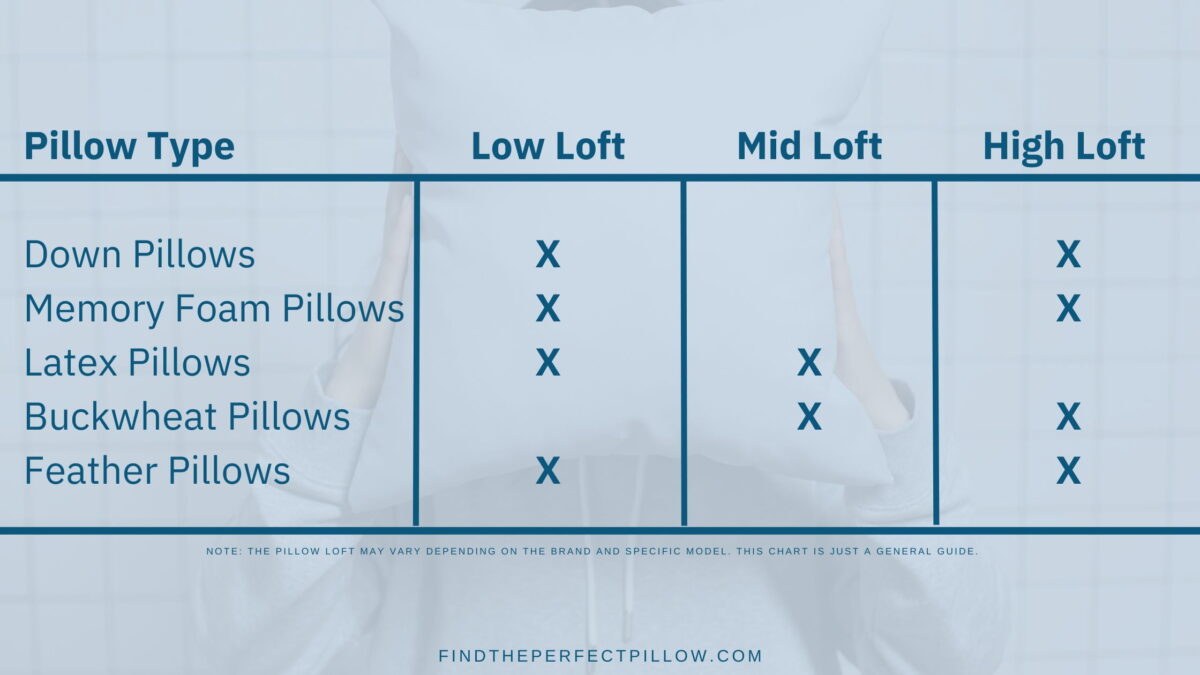
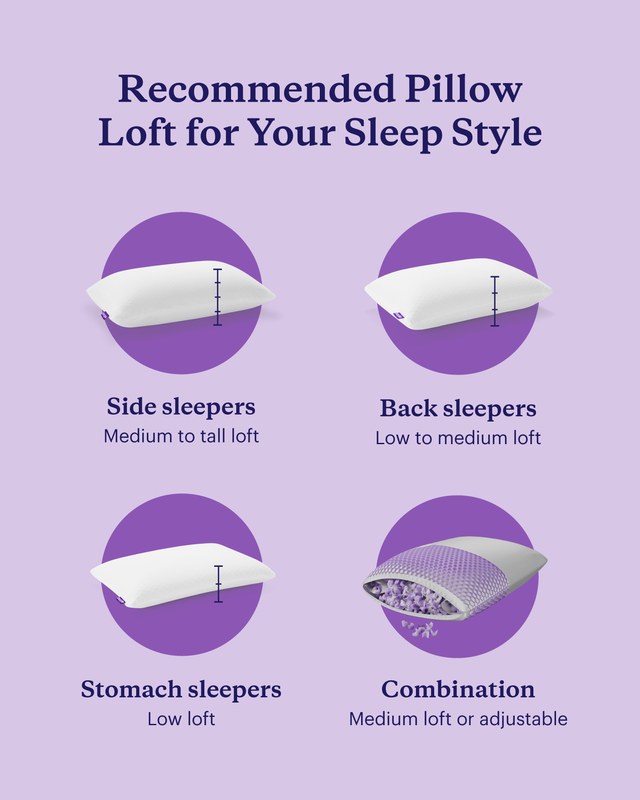
For side sleepers, the ideal pillow loft is usually between 4 and 6 inches, but your exact number depends on your shoulder width and the firmness of your sleep surface. Measure your gap on the actual surface you’ll sleep on to find the perfect fit.
Understanding how to choose pillow loft for side sleepers starts with one simple number: your shoulder width. Pick the right loft, and your neck stays neutral, your spine stays straight, and you wake up without that familiar morning stiffness. Pick the wrong loft, and no amount of pillow fluffing will fix the ache.
Key Takeaways
Measure your gap: Use the wall test on your actual bed or vehicle seat to find your.
Consider the surface: Firm surfaces like car benches need higher loft; soft mattresses need lower loft.
Understand the labels: Loft is height, fill power is fluffiness—both matter for support.
Prioritize safety: Never put a pillow between you and the seat belt or in airbag deployment.
Start adjustable: An adjustable-loft pillow is the best way to dial in your perfect fit before.
What Loft Should a Side Sleeper Actually Choose? The 4–6 Inch Rule, Explained
For most side sleepers, the ideal pillow loft falls between 4 and 6 inches. That range isn’t arbitrary—it’s tied directly to the distance between your ear and the outside of your shoulder. When you lie on your side, that gap needs to be filled precisely. Too little loft and your head drops toward the mattress, bending your neck downward. Too much loft and your head is pushed upward, craning your neck toward the ceiling.
Sleep Science
The goal is a neutral spine, where your ear, shoulder, and hip form a straight line. Research on sleep posture consistently points to spinal alignment as a key factor in reducing morning pain and improving sleep quality. While individual anatomy varies, the 4–6 inch range covers the majority of adult body types.
The Shoulder-Gap Rule: Why Your Shoulder Width Sets Your Loft Range
Your shoulder width is the single biggest factor in determining your loft. A broader shoulder means a larger gap between your head and the mattress, requiring a higher loft. A narrower shoulder means a smaller gap, so a lower loft works better.
As a rough guide:
Small to medium frame, narrower shoulders: 4–5 inches of loft
Medium to large frame, average shoulders: 5 inches of loft
Large frame, broad shoulders: 5–6 inches of loft
These are starting points, not rules. Your mattress firmness and personal comfort preferences will shift the number slightly.
Why Surface Firmness Changes the Number: Car Seats vs. Beds
The surface you sleep on changes how much loft you need. A firm surface, like a car’s folded rear bench or a thin RV mattress, allows your shoulder to sink less, so you may need a higher loft to fill the gap. A softer surface, like a plush home mattress, lets your shoulder sink deeper, meaning a slightly lower loft may work better.
This is why a pillow that works perfectly in your bed might feel wrong in your vehicle. Always test the loft on the actual surface where you plan to sleep.
How to Measure Your Ideal Pillow Loft at Home in 5 Minutes
A ruler measures the pillow’s loft from base to top.
You don’t need special tools to find your ideal loft. A wall, a flat surface, and a few minutes are enough to get a reliable number.
The Wall Test: Checking for a Straight Neck and Neutral Spine
Here’s a simple method:
Sit sideways against a wall with your shoulder touching it.
Place a pillow between your head and the wall, mimicking your sleep position.
Check the angle of your neck. If your head tilts up or down, the loft is off.
Adjust the pillow thickness (add or remove layers) until your neck feels straight and your head is level.
The thickness that achieves that neutral position is your ideal loft for that specific surface.
Sleep Tip
Test with the pillow compressed, not fluffed. Your head will sink into the pillow, so the effective loft is lower than the measured height. Always check the loft under pressure.
Factoring In Shoulder Width, Body Frame, and Sleep Surface
Combine the wall test results with your body frame. If you have broad shoulders, lean toward the higher end of your measured range. If you have a smaller frame, lean toward the lower end. Also, remember the surface matters—test on your actual bed or vehicle seat, not just any flat surface.
Loft vs. Fill Power: What the Numbers on the Label Really Mean
Pillow labels can be confusing. Two numbers matter most: loft and fill power. They measure different things, and confusing them leads to poor choices.
Loft Is Height, Fill Power Is Fluffiness—Don’t Confuse the Two
Loft is the pillow’s height when uncompressed, usually measured in inches. Fill power, on the other hand, measures the fluffiness or resilience of the fill material. A high fill power means the pillow is airy and springy, while a low fill power means it’s denser and flatter.
Sleep Term
Fill Power: A numerical rating that indicates how many cubic inches one ounce of down or down alternative occupies. Higher numbers mean more loft per ounce, which translates to a fluffier, more supportive pillow.
For side sleepers, both numbers matter. A pillow with high fill power but low loft won’t fill the shoulder gap. A pillow with high loft but low fill power might feel like a brick.
Compression Ratings: The Effective Loft After Your Head Hits the Pillow
What really matters is the effective loft—the height after your head compresses the pillow. This is rarely listed on labels, but you can estimate it. A soft pillow compresses more, reducing effective loft. A firm pillow compresses less, maintaining closer to its stated loft.
If you prefer a soft feel, choose a pillow with a stated loft slightly higher than your target. If you prefer firm support, choose one closer to your exact measurement.
Matching Loft to Your Automotive Sleep Setup<
A thicker pillow fills the gap between shoulder and car seat for side sleepers.
/h2>
Sleeping in a vehicle presents unique challenges. The surface, the space, and the seating position all affect your loft needs.
Reclined Front Seat: When You Need a Lower Loft (3–4 Inches)
In a reclined front seat, you’re not lying fully flat. Your head is partially elevated, which reduces the gap between your head and the headrest or seatback. A lower loft of 3–4 inches usually works best here.
Using a high-loft pillow in a reclined seat can push your head forward, straining your neck and potentially interfering with the seat belt’s positioning.
Folded Rear Bench or Cargo Area: When You Need a Higher Loft (5–6 Inches)
When you fold down the rear seats and lie flat in the cargo area, you’re sleeping on a relatively firm, flat surface. This setup mimics a firm bed, so the standard 4–6 inch rule applies. If you have broad shoulders, aim for the higher end of that range.
Truck Cab and RV Mattresses: Adjusting for Firmness and Space
Truck cabs and RVs often have thin, firm mattresses. Firm surfaces don’t let your shoulder sink, so you may need a loft on the higher end of your range. However, space is often limited in these setups, so a bulky 6-inch pillow might be impractical. Consider a pillow with adjustable fill so you can dial in the exact loft without adding bulk.
Loft, Neck Alignment, and Safety for Drivers and Passengers
Choosing the right loft isn’t just about comfort—it’s also about safety, especially if you’re sleeping in a moving vehicle or resting while someone else drives.
How Wrong Loft Causes Neck Strain and Ruins Sleep Quality on the Road
An incorrect loft forces your neck into an unnatural angle. Over time, this causes muscle strain, stiffness, and poor sleep quality. In a vehicle, the problem is compounded by vibrations and limited space. A neck that’s already strained is more vulnerable to injury in the event of sudden stops or impacts.
Problem
Waking up with a stiff neck after sleeping in your car or truck.
Possible Solutions
Re-measure your loft on the actual sleep surface. Adjust the pillow’s fill or switch to a different loft. A cervical roll can also provide targeted neck support if a standard pillow isn’t working.
Seat Belt and Airbag Clearance: Where You Should Never Place the Pillow
Never place a pillow between your body and the seat belt. The belt needs to sit snugly against your body to work correctly. A pillow in this position can create slack in the belt, reducing its effectiveness in a crash.
Also, avoid placing pillows in the path of airbags. Airbags deploy with significant force, and an object in their path can become a projectile. When sleeping in a passenger seat, keep pillows clear of the dashboard and side-curtain airbag zones.
How to Position and Install Your Pillow for Maximum Support
Once you’ve chosen the right loft, proper positioning ensures you actually get the support you need.
Headrest Straps vs. Loose Placement: Pros and Cons for Different Seats
Some travel pillows come with straps that attach to the headrest. This keeps the pillow in place, which is useful in a reclined seat. However, the strap may not align with your head position, forcing you to adjust your posture to match the pillow.
Loose placement is more flexible. You can position the pillow exactly where you need it. The downside is that it can shift during sleep, especially on bumpy roads. For loose placement, consider a pillow with a non-slip backing or a contoured shape that stays put.
Repurposing the Pillow as Lumbar or Hip Support When You’re Not Sleeping
A pillow with the right loft can do double duty. When you’re sitting upright, place it behind your lower back for lumbar support. When you’re lying on your side, tuck it between your knees to keep your hips aligned. This reduces strain on your lower back and can improve sleep quality significantly.
Maintenance and Lifespan: Why Your Loft Shrinks Over Time
A pillow’s loft isn’t permanent. Over time, the fill compresses, and the loft decreases. Proper maintenance extends the lifespan, but every pillow eventually needs replacing.
Washing and Drying Methods That Preserve Loft and Fill Distribution
Follow the manufacturer’s care instructions, but general guidelines apply. For down and down-alternative pillows, use a gentle cycle with mild detergent and dry on low heat with dryer balls to help fluff the fill. For memory foam, spot-clean only—washing can damage the foam structure.
Regularly fluffing your pillow and giving it time to air out can also help maintain loft.
Signs You Need a Replacement: Flattening, Clumping, and Morning Neck Pain
If your pillow no longer springs back to its original shape, it’s losing loft. If you notice clumps or lumps in the fill, the distribution is uneven. And if you wake up with neck pain that you didn’t have before, your pillow may be past its prime.
As a general rule, most pillows last 1–2 years with regular use. If you sleep in your vehicle frequently, the lifespan may be shorter due to additional wear and compression.
Loft Limitations: When a Pillow Alone Won’t Fix Your Sleep Setup
A pillow is one piece of the sleep puzzle. Sometimes, it’s not enough.
Adjustable-Loft Pillows vs. Fixed-Loft Pillows: Which Is Worth the Cost
Adjustable-loft pillows let you add or remove fill to customize the height. This is a valuable feature for side sleepers, especially if you’re unsure of your exact needs or if you sleep on multiple surfaces. They cost more than fixed-loft pillows, but the ability to dial in your fit can be worth it.
Advantages
Customizable fit for different surfaces
Allows you to fine-tune your loft
Can be adjusted as the fill compresses over time
Considerations
Requires ongoing adjustment
Fill can shift or clump if not managed well
Often more expensive than fixed-loft options
Cervical Rolls, Bolsters, and Full-Body Supports for Car Camping
If a standard pillow isn’t providing enough support, consider a cervical roll. These cylindrical pillows fit under your neck and provide targeted support, maintaining the natural curve of your spine. A full-body pillow can also help by supporting your top arm and leg, reducing strain on your shoulder and hip.
Your Next Step: Test the Loft Before You Commit
Don’t buy a pillow based on a label alone. Test the loft in your actual sleep environment.
The 5-Minute Home Test on Your Actual Seat or Sleep Surface
Use the wall test method described earlier, but do it in your vehicle. Sit or lie in your actual sleeping position, place the pillow, and check your neck alignment. If you’re testing a pillow in a store, bring it to your car and try it out. A few minutes of testing can save you weeks of neck pain.
Buying Strategy: Start with an Adjustable Loft Pillow to Dial In Your Fit
If you’re between sizes or unsure, start with an adjustable-loft pillow. This lets you experiment with different heights until you find what works. Once you know your ideal loft, you can buy a fixed-loft pillow with confidence, or simply keep the adjustable one.
Final Thoughts
Choosing the right pillow loft for side sleeping comes down to measuring your shoulder gap and testing on your actual sleep surface. The 4–6 inch rule is a solid starting point, but your body frame and mattress firmness will fine-tune the number. Start with an adjustable-loft pillow to find your perfect fit, and replace it when the loft starts to fade.
Frequently Asked Questions
The ideal loft for most side sleepers is between 4 and 6 inches. This range fills the gap between your head and shoulder, keeping your neck and spine aligned. Your exact loft depends on your shoulder width and the firmness of your sleep surface.
Use the wall test: sit sideways against a wall with your shoulder touching it, place a pillow between your head and the wall, and check if your neck is straight. The thickness that achieves a neutral position is your ideal loft for that surface.
Yes. A firm surface like a car’s folded rear bench prevents your shoulder from sinking, so you may need a higher loft. A softer surface lets your shoulder sink, so a slightly lower loft may work better. Always test on your actual sleep surface.
Loft is the pillow’s height in inches when uncompressed. Fill power measures the fluffiness or resilience of the fill material. For side sleepers, both matter: loft fills the shoulder gap, while fill power determines how well the pillow maintains its shape under your head.
Yes, but never place a pillow between your body and the seat belt, as this reduces the belt’s effectiveness. Also, keep pillows clear of airbag deployment zones, such as the dashboard and side-curtain areas, to prevent injury in a crash.
Replace your pillow when it no longer springs back to shape, develops clumps, or when you start waking up with neck pain. Most pillows last 1–2 years with regular use. Frequent use in a vehicle may shorten the lifespan due to extra compression.
Hi, I'm Elliot Sage. I used to wake up exhausted every single morning—until I started taking sleep seriously. Now I run AdiAnya, where I review and recommend the sleep tools that actually changed my nights: sound machines, weighted blankets, sleep masks, and bedroom scents. If you're ready to finally sleep well, you're in the right place.
Quick Sleep Verdict This article gives you practical, step-by-step methods—from white noise machines to DIY window seals—to dramatically reduce outside…