White noise can help you sleep better in a car by masking sudden, unpredictable sounds. Use a rechargeable device placed safely away from airbags, and keep the volume low enough to hear important noises.
The question of does white noise help you sleep better in a parked car is one that road-trippers, truck drivers, and camping families ask after their first rough night behind the wheel. The honest answer is yes for most people, but only when the device is powered safely, placed out of the way, and treated as one part of a bigger sleep setup.
Key Takeaways
Power first: Choose a rechargeable device or portable power station to avoid draining your car battery.
Safe placement: Keep the device out of airbag zones, away from vents, and secured so it.
Volume balance: Set the level low enough to mask road noise but still hear alarms, weather.
Know the law: Rest area and overnight parking rules vary by state and location, so verify current.
Know the limits: White noise helps with noise, not with pain, temperature, stress, or chronic insomnia.
Does White Noise Help You Sleep Better in a Car? The Short Answer
Yes, white noise can help you sleep better in a car, because it masks the unpredictable sounds that interrupt light sleep. It is not a guarantee of deep sleep, and it will not fix an uncomfortable seat, a hot cabin, or a safety concern. What it does well is give your brain a steady, predictable soundscape that makes sudden noises less jarring.
Why Steady Noise Works When Silence Doesn’t
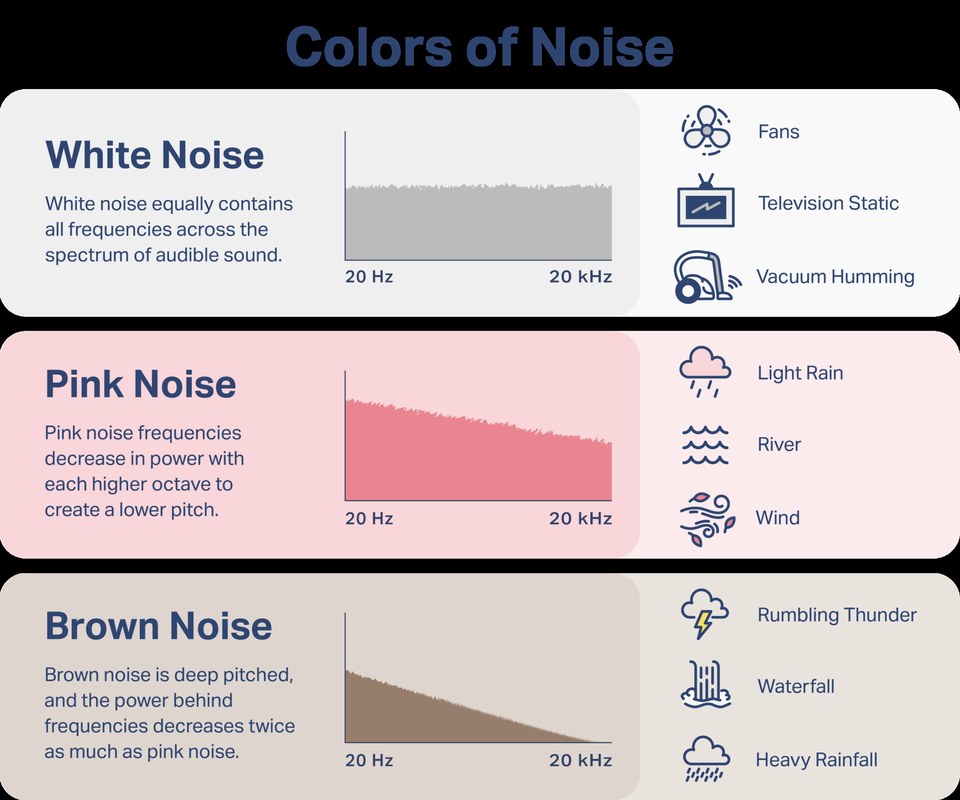
Human hearing is built to detect change. In a quiet parking lot, a door slam, a passing engine, or a gust of wind becomes a dramatic event against the silence. White noise fills that silence with a constant broadband sound, so sudden noises blend into the background instead of cutting through it.
Sleep Science
Sleep researchers describe the brain as a change detector. During light sleep, an abrupt sound can trigger a micro-arousal, a brief shift toward wakefulness that fragments sleep even if you do not remember it. A steady broadband sound like white noise reduces the contrast between background silence and sudden noise, which may help you stay asleep longer.
That is why white noise tends to help more in unfamiliar, noisy environments than in a quiet bedroom. A car at a highway rest stop is exactly the kind of place where the effect shows up.
Why Car Sleep Is Broken: The Noise Problem Nobody Mentions
Road and traffic noise commonly disturb sleep inside a parked vehicle.
Most people assume they sleep badly in a car because of the seat. Noise is just as disruptive, and it is much harder to fix with a pillow.
Highway Rumble, Wind Buffet, and the Parking Lot Effect
Even when parked, a car is not silent. The body panels transfer low-frequency rumble from nearby traffic, wind buffets around the windows and mirrors, and parking lots have their own rhythm of doors, engines, and voices. Together, these sounds create an unpredictable audio environment that keeps the brain on alert.
How Irregular Sounds Disrupt Your Sleep Cycle
Sleep moves in cycles, and the lightest stages act as a gatekeeper between wakefulness and deeper sleep. A sudden noise during light sleep can trigger a micro-arousal, a brief shift that resets the cycle. Over a night, repeated micro-arousals leave you feeling like you barely slept, even if you were never fully awake.
White Noise vs. Road Noise: A Head-to-Head Comparison
Both are noise, but they affect the brain differently. Road noise is irregular and unpredictable. White noise is steady and featureless. That difference matters more than volume.
Decibel Levels and Frequency Masking Explained
Decibels measure sound pressure, but loudness alone does not explain why white noise helps. The key is frequency masking: a steady sound spread across many frequencies raises the hearing threshold, making other sounds harder to detect. A relatively quiet white noise source can therefore hide a louder but narrower sound, like a truck engine or a slamming door.
Sleep Term
Frequency masking is what happens when one sound makes another sound harder to hear. White noise works as a mask because it covers a broad range of frequencies at a steady level, reducing the contrast of sudden noises.
What the Science Actually Says About Sleep Quality
Sleep research on white noise is promising but mixed. Some studies suggest steady broadband sound can shorten the time it takes to fall asleep and reduce awakenings, while others find little benefit for people who already sleep well. Most researchers agree that white noise helps most in noisy, unfamiliar environments, which describes a parked car better than a quiet bedroom.
How to Get White Noise in Your Car Without Draining the Battery<
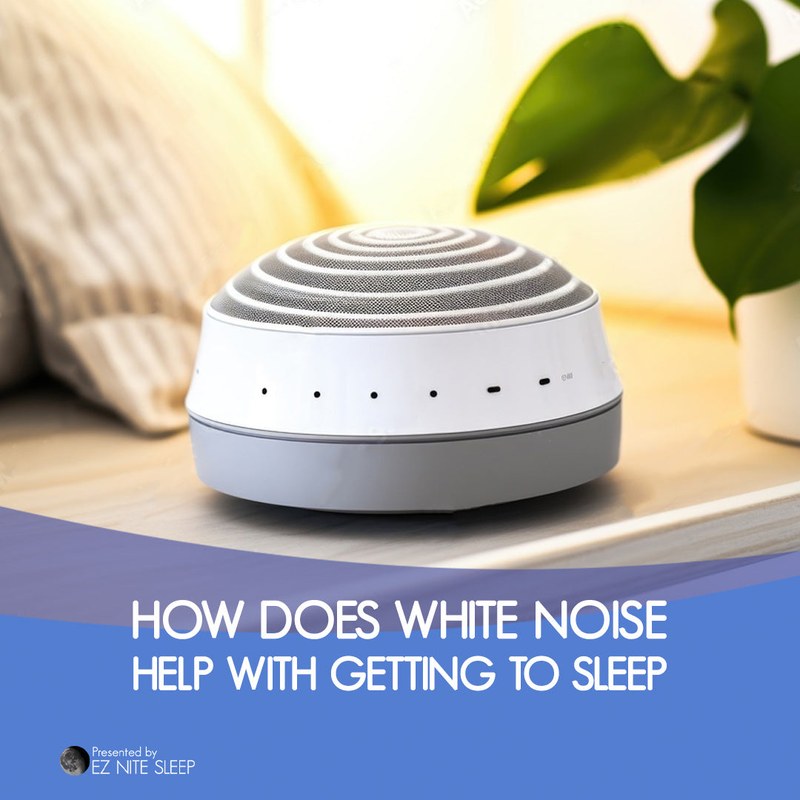
A USB-powered white noise machine in a car avoids battery drain.
/h2>
Power is the first thing to plan. A sound machine that runs all night can draw more from your car’s electrical system than you expect.
12V Outlet vs. USB-C: Power Compatibility and Voltage Limits
Most cars offer a 12V accessory socket, a USB-A port, or a USB-C port. The voltage and current available vary by vehicle and by whether the engine is running. A small USB-powered white noise machine typically draws less than a 12V device, but you should check the label on the device and the rating of your car’s outlet before plugging anything in. If you are unsure, choose a device with its own rechargeable battery.
Battery Protection: When to Use Accessory Mode and When to Stop
Accessory mode keeps the radio and outlets alive, but it also keeps the battery under load. If you plan to sleep for hours, a battery-powered device is the safest choice. If you must use a car outlet, look for a device with a low-voltage cutoff, or use a portable power station between the device and the car battery. Starting the engine periodically can help, but it is not a substitute for understanding your vehicle’s battery condition.
Sleep Tip
Before your trip, test your white noise setup at home during the day. Run the device for the same number of hours you plan to sleep, then check the battery level or the car’s voltage. That simple test can prevent a dead battery and a sleepless night.
Best White Noise Devices for the Car: A Side-by-Side Comparison
There is no single best device for everyone. The practical choice comes down to two categories: your phone or a dedicated white noise machine.
Phone Apps vs. Dedicated White Noise Machines
Advantages
Uses a device you already own
Free or low-cost apps with many sound options
Easy to adjust volume and set a timer
Considerations
Drains the phone battery overnight
Notifications and calls can interrupt the sound
Screen light and heat can be a problem in a closed car
Advantages
No notifications or interruptions
Physical controls are easy to use in the dark
Rechargeable models do not touch the car battery
Considerations
Adds cost and another item to pack
Sound quality varies between models
May need a timer or auto-off to save battery
What to Look For in a Car-Friendly Device: Power, Portability, and Cost
What To Look For
Power source: internal rechargeable battery, USB, or 12V plug
Size and mounting: fits in a cup holder or can be secured
Sound options: white noise, pink noise, fan sounds, and volume range
Auto-off timer to save battery and reduce noise later in the night
Build quality, warranty, and the cost of replacement parts or accessories
Price and availability change often, so compare current models and read the specifications for the exact device you are considering.
Where to Place a White Noise Machine in Your Car for Best Results
Placement matters for both sound quality and safety.
Safe Placement While Parked: Avoiding Airbags and Ventilation Blocks
Never place a device on or near a dashboard airbag deployment zone, and do not block vents, mirrors, or the gear shifter. A cup holder or a secured spot on the floor behind the front seats is usually safer. If you are sleeping in the driver’s seat, keep the device within reach but out of the steering wheel airbag path.
Cable Management and Installation Without Permanent Modifications
Run cables along existing trim and use clips designed for the car. Never pinch a cable in a door, seat track, or window, and avoid drilling or permanent modifications that could affect resale value or safety systems. A rechargeable device eliminates the cable problem entirely.
The Legal Side of Sleeping in Your Car: What White Noise Won’t Fix
White noise can make a parking lot feel quieter, but it cannot make sleeping there legal.
State-by-State Rules on Rest Areas, Overnight Parking, and Camping
Rules vary widely. Some states allow overnight parking at rest areas, others limit it to a few hours, and some prohibit it entirely. City and county ordinances can be even stricter. Check the current rules for the specific state and location before you park for the night, and always look for posted signs.
Privacy and Audio: The Tradeoff of Masking Outside Sounds
Masking outside noise also masks the sounds you might want to hear, such as an approaching person, a vehicle alarm, or a weather alert. If you use a phone app, check the app’s audio recording and microphone permissions, and be aware of state privacy laws. Keep the volume at a level that still allows you to hear important sounds.
When White Noise Isn’t Enough: Limitations and Next Steps
White noise is a helpful tool, but it has clear limits.
The Limits of White Noise for Deep Sleep and Chronic Insomnia
White noise does not treat insomnia, and it cannot overcome pain, extreme temperatures, or high stress. If you regularly struggle to sleep even in a quiet bedroom, a sound machine is not a substitute for medical advice or a proper sleep evaluation.
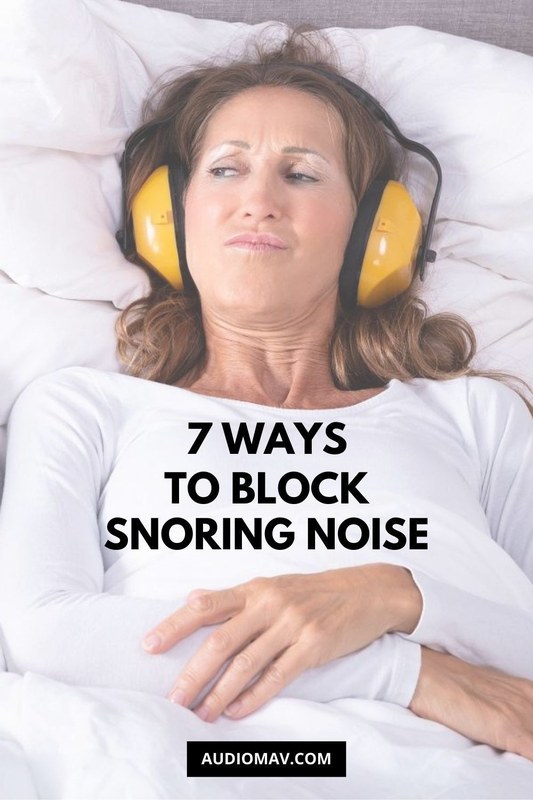
Better Alternatives: Earplugs, Sleep Masks, and Quiet Campsite Selection
Problem
You wake up tired even with white noise playing all night.
Possible Solutions
Try foam or reusable earplugs for stronger sound blocking, add a sleep mask if parking lot lights are bright, choose a campsite or rest area away from highways, and improve ventilation and temperature before you lie down. Test any new setup at home before relying on it during a trip.
Final Thoughts
White noise can genuinely improve sleep in a car for most people, especially in noisy, unfamiliar places like rest areas and parking lots. The best setup uses a rechargeable device placed safely away from airbags, with the volume low enough to hear important sounds. Pair it with realistic expectations, a legal parking spot, and basic sleep comfort, and you will sleep far better than silence alone would allow.
Frequently Asked Questions
Leaving a device plugged into the 12V socket or USB port for hours can drain your car battery, especially in accessory mode. A device with its own rechargeable battery or a portable power station is a safer choice for overnight use. Check your vehicle manual for outlet ratings and battery recommendations.
White noise is safe at moderate volume, but it can mask important sounds like approaching people, alarms, or weather warnings. Keep the volume low enough that you can still hear urgent noises, and never place the device where it could interfere with airbags or controls.
A rechargeable, battery-powered device is the most practical option because it does not depend on the car’s electrical system. USB-powered machines work well for short naps with the engine running or a power station. Avoid leaving 12V devices on overnight without a low-voltage cutoff.
Phone apps can sound very similar to dedicated machines and offer more sound choices, but they drain the phone battery and can be interrupted by notifications. Dedicated machines are simpler and more predictable, but they add cost and another item to pack.
It depends on the state and the specific rest area. Some states allow overnight parking, some limit it to a few hours, and others forbid it. Always check posted signs and current state rules before settling in for the night.
Any sound played loud enough for long enough can damage hearing, including white noise. Keep the volume at a comfortable level below the threshold of discomfort, and use a timer if the device has one. If you are unsure, follow the volume guidance in the device manual.
Hi, I'm Elliot Sage. I used to wake up exhausted every single morning—until I started taking sleep seriously. Now I run AdiAnya, where I review and recommend the sleep tools that actually changed my nights: sound machines, weighted blankets, sleep masks, and bedroom scents. If you're ready to finally sleep well, you're in the right place.
Quick Sleep Verdict This article gives you practical, step-by-step methods—from white noise machines to DIY window seals—to dramatically reduce outside…