Block light at the glass first, then eliminate interior glow, and test your setup before you rely on it. Custom covers give the best seal, but budget DIY options work well for occasional trips.
Knowing how to make room dark for sleep is a simple skill, but when the room is your car cabin, it takes a bit more planning. Streetlights, headlights, dashboard glow, and early morning sun can all sneak past ordinary shades and leave you groggy on the road. This guide walks through the fastest ways to block light, the best covers for different vehicles, budget DIY options, and how to keep airflow and safety in the equation.
Key Takeaways
Block the windshield first: It is the largest source of outside light and heat in the cabin.
Eliminate interior glow: Dashboard displays, screens, and small LEDs can keep your brain alert.
Match the cover to your vehicle: Custom covers seal best, while universal shades may leave light gaps.
Balance darkness with airflow: Crack a window, use a small fan, and manage condensation.
Check local rules: Overnight parking and window tint laws vary by state and city.
The Quick Answer: Three Proven Ways to Darken Your Car Cabin for Sleep
If you only have one evening to prepare, focus on these three steps. They solve the majority of light problems without requiring a custom installation or a large budget.
Block Light at the Glass First
Glass is where almost all outside light enters the cabin. The windshield is the largest and most exposed surface, so it deserves the most attention. A reflective sunshade placed on the inside blocks both light and heat, while side and rear window covers handle the rest. Even a simple cover on the windshield can cut the majority of light pollution from streetlights and passing headlights.
Eliminate Interior Light Sources
Outside light is only half the problem. Interior lights from the instrument cluster, infotainment screen, dome lights, and small LEDs on chargers or accessories can keep your brain alert. Set displays to night mode, dim the dashboard, and cover or unplug anything that glows. A small piece of tape over an LED is often enough to make a surprising difference.
Sleep Tip
Walk through your car at night with the doors closed and the engine off. Every tiny light you see — a charging LED, a dashboard indicator, a screen in standby — is a light your brain will notice. Cover or dim each one before you settle in.
Test Your Setup Before You Rely on It
Do a trial run before you commit to sleeping in the car. Set up your covers, get inside, and look for gaps around the edges. Have a friend walk around the vehicle with a flashlight while you check for leaks from the inside. Test during the day and again at night, and adjust the fit before a real trip.
Sleep Science
Light is one of the strongest signals that tells your brain whether it is day or night. Research on circadian rhythms shows that exposure to light in the evening can delay the release of melatonin, the hormone that helps you feel sleepy. Blocking light before sleep helps your body follow its natural night signal, even when you are sleeping in a car rather than a bedroom.
Custom Window Covers vs. Universal Shades: Which Fits Your Vehicle?
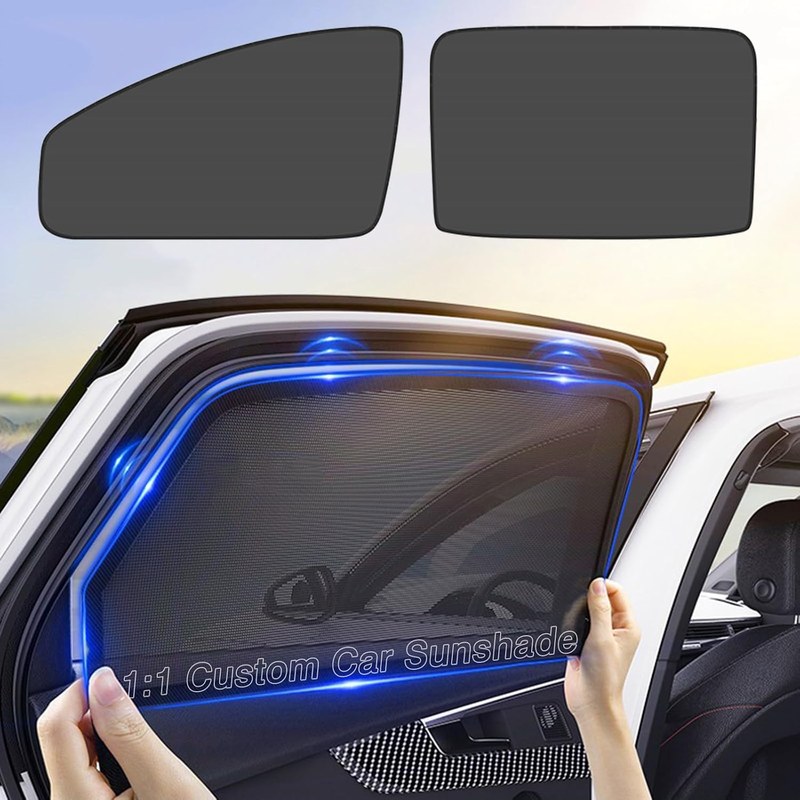
Custom window covers are tailored to specific vehicle models, while universal shades offer a
The right choice depends on how often you plan to sleep in your vehicle and how much light blocking you need. Both options work, but they serve different habits and budgets.
Custom-Fit Covers for a Sealed Blackout
Custom covers are cut to match the exact shape of your vehicle’s windows. They fit tightly, leave few gaps, and usually use rigid panels or tension-mounted fabric to stay in place. They are the most reliable option for frequent travelers and anyone who needs a truly dark cabin. The trade-offs are higher cost and more storage space when not in use.
Universal Sunshades and Curtains
Universal shades are more affordable and fold down into a compact size. They work across multiple vehicles, which makes them a good choice for rental cars or shared households. The downside is fit. Because they are not shaped for your specific windows, light can sneak in around the edges, and they may need extra clips or magnets to hold them in place.
Compatibility and Fitment Considerations
Before buying, check the shape of your windows, whether your vehicle has a sunroof, and how the cover attaches. Some covers use suction cups, while others rely on tension rods, magnets, or static cling. Also consider whether you need access to the rear seats or cargo area while the covers are installed. A cover that blocks light but blocks your movement may not be worth the trade-off.
Advantages
Custom covers provide a sealed blackout with minimal light leaks.
Universal shades work across multiple vehicles and fold for storage.
Both options are removable, so they do not affect daytime driving.
Considerations
Custom covers cost more and need dedicated storage space.
Universal shades may shift or gap on oddly shaped windows.
Neither option replaces legal window tint, which has its own rules.
What To Look For
Material: true blackout fabric or reflective panels block light better than thin mesh.
Attachment: suction cups, tension, or magnets should hold the cover firmly against the glass.
Storage: foldable covers are easier to store than rigid panels.
Coverage: confirm the set includes the windshield, side windows, and rear window.
DIY Blackout Solutions That Cost Under $30
If you do not want to spend much, a few simple materials can create a surprisingly effective blackout setup. These options are especially useful for occasional trips or emergencies.
Reflectix and Foam Board Inserts
Reflectix is a foil-faced bubble insulation that can be cut to match each window and pressed into place. It blocks light and adds insulation, which helps in both summer and winter. Foam board is another option that is rigid and easy to trim. Measure each window carefully and cut slightly larger so the panel wedges into the frame.
Magnetic Curtains and Tension Rods
Blackout curtains with small magnets can attach directly to the metal window frames in many vehicles. This works especially well in SUVs and vans. Tension rods can be used to hang curtains across the cargo area or behind the front seats. Choose a true blackout fabric rather than a sheer one for the best results.
The Cardboard-and-Cloth Budget Hack
Trace each window onto cardboard, cut it out, and wrap it in dark cloth or felt. This is the lowest-cost option and works in a pinch. It is not the most attractive solution, and the cardboard can bend over time, but it blocks light effectively for a weekend trip.
Ventilation, Condensation, and Darkness: How to Balance All Three<
Blackout curtains block light while a cracked window allows ventilation.
/h2>
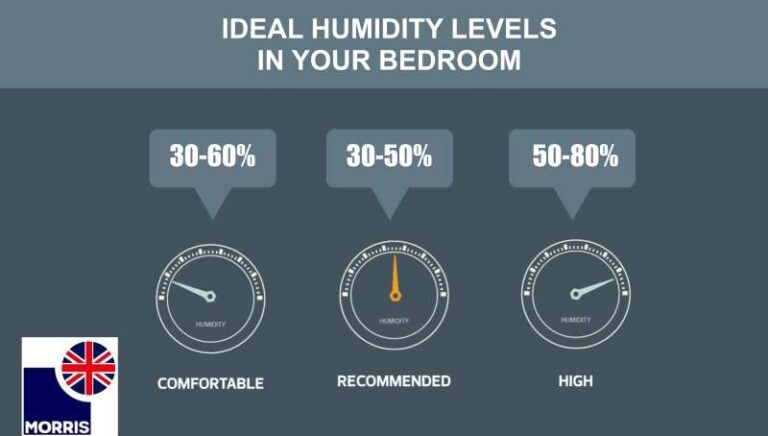
A completely sealed cabin may be dark, but it can also become stuffy and damp. Breathing releases moisture, and that moisture has to go somewhere. The goal is to keep the cabin dark without turning it into a greenhouse.
Cracking Windows Without Letting Light In
Cracking a window an inch or two provides airflow, but it also creates a gap for light. Window deflectors, sometimes called vent visors, allow you to crack the window while keeping the opening mostly shielded. You can also position a cover so it blocks light from the gap while still allowing air to pass through.
USB and 12V Fans for Airflow
A small fan powered by USB or a 12V outlet can move air through the cabin and reduce stuffiness. Place it safely where it will not roll around or interfere with controls. Battery-powered fans are another option if you want to avoid drawing from the vehicle battery overnight.
Managing Moisture and Fog
Condensation on the inside of windows is a common problem when sleeping in a car. Cracked windows and a fan help, but you can also use a moisture absorber designed for vehicles. In cold weather, fog can form even with ventilation, so keep a microfiber cloth within reach and wipe windows before driving.
Problem
You wake up to fogged windows and a stuffy cabin after a night of sleeping in the car.
Possible Solutions
Crack a window with a deflector to keep light out while allowing airflow. Use a small USB or battery fan to keep air moving, and place a moisture absorber in the cabin to reduce condensation.
Car Cabin Sleep Check
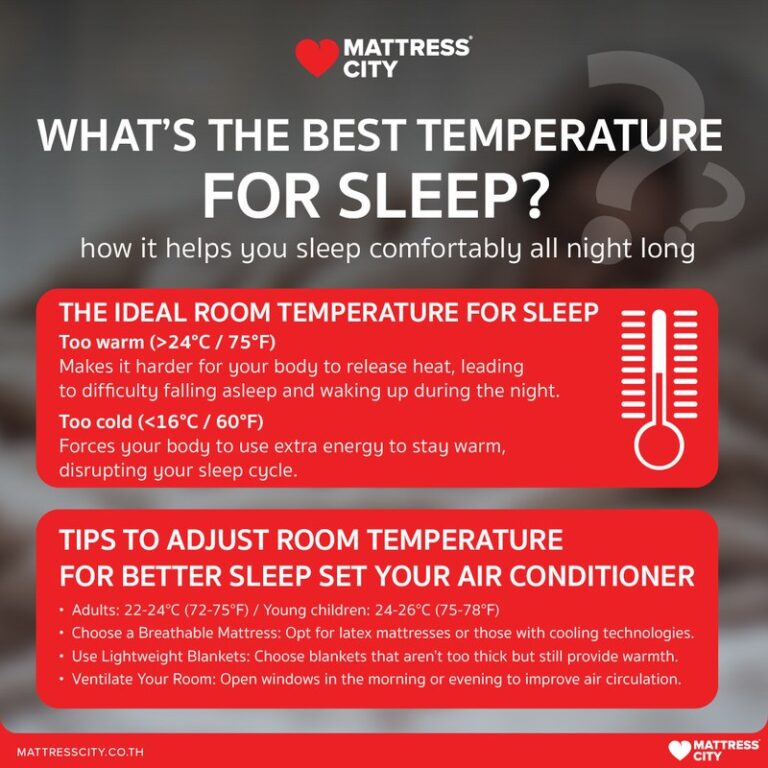
Temperature: covers with reflective insulation help in both heat and cold.
Lighting: block the windshield first, then side and rear glass.
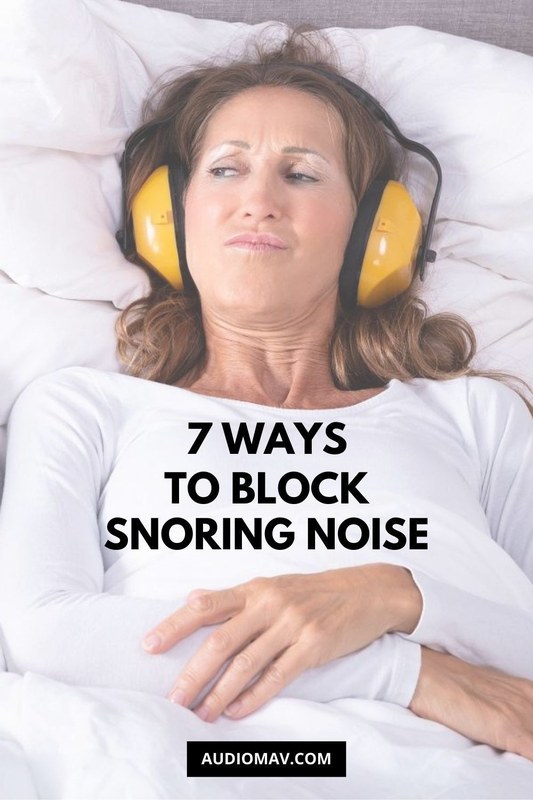
Noise: covers do little for sound, so choose a quiet parking spot.
Comfort: a flat, level surface and a quality sleeping pad matter as much as darkness.
Airflow: crack a window or run a fan to avoid stuffiness and fog.
Safety, Privacy, and Legal Limits of Sleeping in Your Vehicle
Darkness is not the only factor. A safe sleeping setup also keeps you visible when you need to be, easy to exit, and on the right side of local rules.
Driver Visibility and Emergency Exits
Never drive with window covers in place. They are designed for sleeping, not driving, and they block the driver’s view almost completely. Remove them and store them before moving the vehicle. Also make sure nothing blocks the pedals or the driver’s seat adjustment, and that you can exit quickly in an emergency.
Privacy and Personal Security
Blackout covers give you privacy, but they also hide you from view. That can be an advantage or a risk depending on where you park. Choose well-lit, legal parking spots, lock the doors, and keep valuables out of sight. Trust your instincts about a location before settling in for the night.
State Tint Laws and Overnight Parking Rules
Window tint laws vary widely by state, and aftermarket covers are not the same as tint. Overnight parking rules also vary by city, business, and property owner. Some rest areas allow overnight parking, while others do not. Check current local rules before you rely on a spot, and never assume a location is legal just because it is empty.
Maintenance, Storage, and Longevity of Blackout Gear
Good blackout gear lasts for years if you take care of it. A few simple habits can keep it working and ready to use.
Cleaning and Care
Wipe covers down regularly to remove dust and dirt. Most fabric covers can be spot-cleaned with a mild cleaner, but check the manufacturer’s care instructions first. Avoid harsh chemicals that can damage reflective coatings or fabric.
Storage and Packability
Foldable shades pack down small and can live in a door pocket or under a seat. Rigid panels need more space and are best stored flat in the cargo area or at home when not in use. Think about where the covers will go when you are driving during the day.
When to Replace Worn Covers
Replace covers when the fabric tears, the reflective coating peels, or the suction cups stop holding. Light leaks around a worn cover defeat the purpose. Most covers show clear signs of wear before they fail completely, so inspect them before each trip.
Cost Breakdown and Owner Value: Is It Worth It?
The cost of a blackout setup ranges from almost nothing to several hundred dollars, depending on the approach. The value depends on how often you sleep in your vehicle.
Budget Options vs. Premium Kits
DIY options like cardboard and Reflectix can be assembled for well under $30. Universal shades cost a bit more and offer better convenience. Custom-fit covers are the most expensive but provide the best light blocking and durability. Consider how many nights per year you will actually use the setup.
Who Benefits Most
Frequent road trippers, campers, shift workers who nap in their cars, and parents with young children benefit the most. If you only sleep in your car once a year, a budget setup is probably enough. If you live on the road or travel weekly, the investment in custom covers pays off quickly.
The Bottom Line
A dark cabin is one of the most effective ways to improve sleep quality on the road. Start with the simplest solution that fits your budget and vehicle, test it before you need it, and upgrade only if light leaks become a real problem.
Final Thoughts
Making your car cabin dark for sleep is a practical project that almost anyone can complete in an afternoon. Start with the windshield, eliminate interior glow, and test your setup before a real trip. Whether you choose a custom kit or a budget DIY option, the goal is the same: a dark, comfortable, and safe place to rest.
Frequently Asked Questions
Good custom covers block most or all outside light, but universal shades often leave small gaps around the edges. Test your setup at night and use clips or magnets to close any light leaks.
No. Window covers are designed for sleeping and block the driver’s view, so they must be removed before driving. Store them somewhere they will not slide around while the vehicle is in motion.
No. Custom covers are made for specific vehicle models, so you need to confirm your exact make, model, and year. Universal shades fit a range of vehicles but may leave gaps on unusual window shapes.
Crack a window with a deflector to allow airflow, use a small fan, and consider a moisture absorber. Condensation is normal when breathing in a closed cabin, so wipe windows before driving.
It depends on where you park. State and local rules vary, and many businesses, rest areas, and cities have their own policies. Check current local laws before relying on an overnight spot.
Costs vary widely. DIY options can be made from inexpensive materials, universal shades are moderately priced, and custom-fit covers are the most expensive. The right choice depends on how often you sleep in your vehicle.
Hi, I'm Elliot Sage. I used to wake up exhausted every single morning—until I started taking sleep seriously. Now I run AdiAnya, where I review and recommend the sleep tools that actually changed my nights: sound machines, weighted blankets, sleep masks, and bedroom scents. If you're ready to finally sleep well, you're in the right place.
Quick Sleep Verdict This article gives you practical, step-by-step methods—from white noise machines to DIY window seals—to dramatically reduce outside…