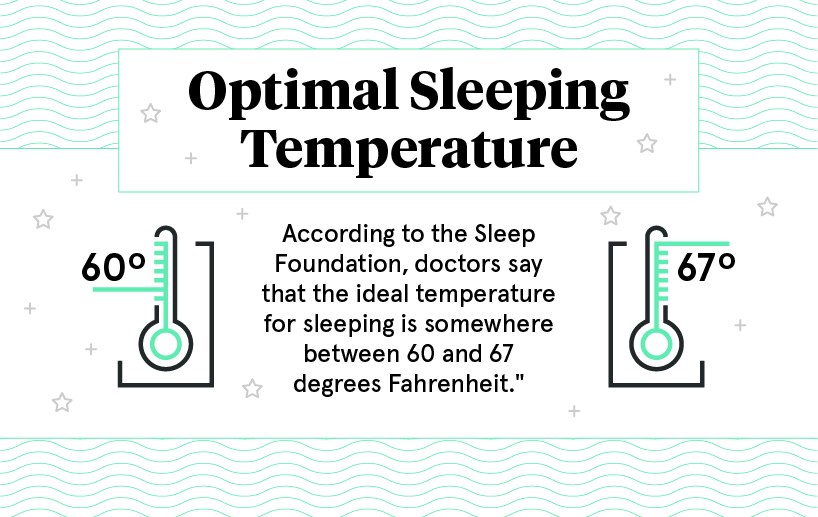
The best bedroom temperature for sleep is 60 to 67°F, and the same range applies when you’re sleeping in a vehicle. The key is managing that temperature safely and efficiently based on whether you drive a gas, hybrid, or electric vehicle.
Finding the best bedroom temperature for sleep is one of the most reliable ways to fall asleep faster and stay asleep through the night. The same principles apply when you’re trying to rest inside a vehicle, whether you’re road-tripping, car camping, or just need a safe place to nap. Understanding how temperature, airflow, and humidity affect sleep can make the difference between waking up refreshed and waking up groggy.
Key Takeaways
Sleep range: 60–67°F supports deeper sleep by helping your body cool naturally, at home or in.
Gas and hybrid safety: Avoid idling overnight without fresh airflow and a battery-powered carbon monoxide detector.
EV planning: Camp mode can run climate control all night, but budget roughly 5–15% battery drain.
Test first: Run a full overnight trial close to home before relying on car sleep during.
Legal variance: Overnight parking rules differ by state and property owner, so verify your spot before.
What Is the Best Bedroom Temperature for Sleep?
Most sleep researchers and health organizations agree that a cool bedroom, roughly 60 to 67°F, supports the deepest and most restorative sleep. Your body’s core temperature naturally drops in the evening as part of your circadian rhythm, and a cooler room helps that process along. When the room is too warm, your body works harder to shed heat, which can delay deep sleep and cause more nighttime awakenings.
Why 60–67°F Is the Sleep Sweet Spot
The 60–67°F range sits in a comfortable middle zone where most adults, couples, and children can sleep soundly with the right bedding. Temperatures above 70°F can make you feel restless and sweaty, while temperatures below 60°F may cause shivering or make it hard to stay relaxed. Individual preferences vary, of course. Some people sleep best at 65°F, while others prefer 68°F with lighter blankets.
Sleep Science
Your internal body clock triggers a drop in core body temperature in the hours before bedtime. This drop signals the brain to release melatonin, the hormone that helps you feel sleepy. A cool room supports this natural cooling process, while a hot room can delay melatonin release and fragment your sleep cycles throughout the night.
How Humidity and Airflow Change the Equation
Temperature alone doesn’t tell the whole story. Humidity plays a major role in how warm or cool a room feels. High humidity makes the air feel stuffy and traps heat against your skin, while very low humidity can dry out your nasal passages and throat. Aim for a relative humidity between 30% and 50% for the most comfortable sleep environment.
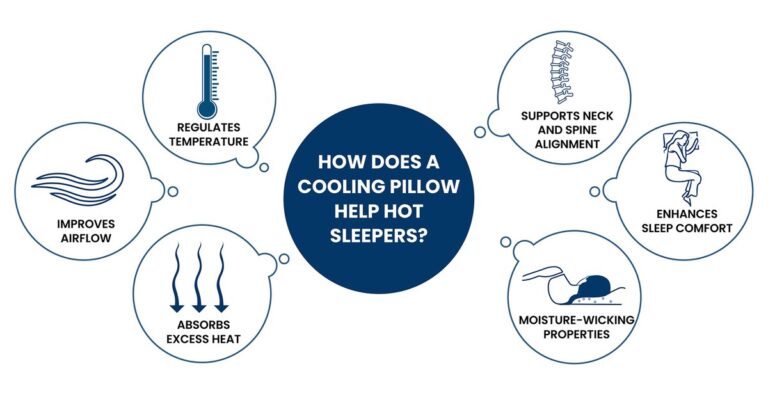
Airflow also matters. A ceiling fan, box fan, or even a cracked window creates gentle air movement that helps evaporate sweat and regulate body temperature. If you tend to sleep hot, breathable bedding and a cooling pillow made from breathable materials can make a noticeable difference.
How the Same Sleep Temperature Rules Apply Inside a Vehicle
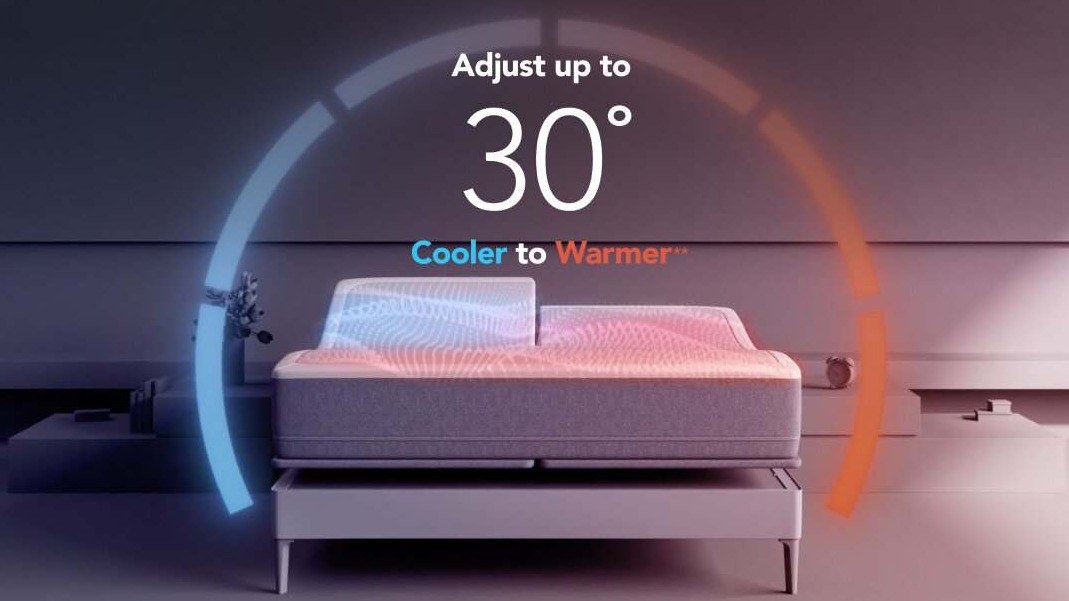
Setting the car’s climate control to a cool temperature supports restful sleep.
Everything you know about bedroom temperature applies to sleeping in a car, truck, or SUV, but with some important differences. A vehicle cabin is much smaller than a bedroom, which means temperature swings happen faster and are harder to control.
Why a Car Cabin Heats and Cools Differently Than a Bedroom
A parked car acts like a greenhouse. During the day, sunlight pours through the windows and heats the interior well above the outside temperature. At night, the cabin loses heat quickly through the glass, especially in cooler months. This means the temperature inside your vehicle can swing dramatically over the course of a single night.
Insulation is also minimal compared to a home. Your vehicle’s metal panels and windows offer far less thermal protection than the walls and attic of a house, so outside temperatures have a bigger influence on your comfort.
What to Look For in Your Vehicle’s Climate Control Settings
Modern vehicles offer several climate control options that can help you maintain a comfortable sleep temperature:
Automatic climate control: Set a target temperature and let the system adjust fan speed and airflow automatically.
Recirculation mode: Recirculates cabin air instead of pulling in outside air. Useful in hot weather, but it can cause carbon dioxide buildup over time.
Fresh air mode: Pulls outside air into the cabin. Better for ventilation, but less efficient at maintaining a set temperature.
Fan speed and direction: Lower fan speeds are quieter and less disruptive for sleep.
If you’re using a portable white noise machine to mask road noise, position it away from the climate vents so the airflow doesn’t muffle the sound.
Sleeping in a Gas or Hybrid Vehicle: Safety and Cost
Sleeping in a gasoline or hybrid vehicle requires careful planning. The two biggest concerns are carbon monoxide poisoning and the cost of idling the engine all night.
Carbon Monoxide Risk and the Importance of Fresh Air
Problem
Running a gas or hybrid engine while you sleep can expose you to carbon monoxide, a colorless, odorless gas that can be fatal in enclosed spaces.
Possible Solutions
Never run the engine with the vehicle parked in a garage or with snow blocking the exhaust pipe. Crack a window for fresh air, and consider a battery-powered carbon monoxide detector designed for travel. If you need climate control all night, an EV or a well-ventilated campsite setup is safer than idling a gas engine.
Even with a window cracked, exhaust fumes can seep into the cabin if the wind is blowing in the wrong direction or if there’s a leak in the exhaust system. A portable CO detector is a small investment that can save your life.
Idling Costs and Engine Wear You Should Know
Idling a gas engine all night burns fuel, typically somewhere between 0.2 and 0.5 gallons per hour depending on the engine size and load. Over an eight-hour night, that could mean 2 to 4 gallons of fuel, which adds up quickly on a long trip.
Idling also causes engine wear. The engine runs at low temperature and low RPM, which can lead to carbon buildup, oil dilution, and increased wear on the catalytic converter. Modern engines are more tolerant of idling than older models, but it’s still not ideal for long-term engine health.
Sleeping in an EV: Climate Control Without Exhaust Fumes<
Electric vehicle climate control maintains a steady cabin temperature for restful sleep without exhaust
/h2>
Electric vehicles have a major advantage for overnight sleeping: they can run the climate control system without producing exhaust fumes. This makes them increasingly popular for car campers and road trippers.
Using Camp Mode and Scheduled Climate Control
Many EVs offer a camp mode or similar feature that keeps the cabin at a set temperature while the vehicle is parked. This mode typically manages the climate system, interior lighting, and power outlets so you can sleep comfortably without worrying about the car shutting down.
Camp Mode
A feature on many electric vehicles that keeps the climate control system running while parked, allowing occupants to sleep comfortably without the engine running.
If your EV doesn’t have a dedicated camp mode, you can sometimes use scheduled climate control or simply leave the climate system on manually. Check your owner’s manual to understand how the vehicle manages battery draw while parked.
Estimating Overnight Battery Drain and Range Loss
The exact battery drain depends on several factors: outside temperature, cabin temperature setpoint, vehicle size, and whether you’re using seat heaters or other accessories. As a rough guideline, expect to lose anywhere from 5% to 15% of your battery over an eight-hour night of climate control in moderate conditions. In extreme cold or heat, that number can climb higher.
Before you commit to sleeping in an EV, plan your charging stops accordingly. Make sure you have enough range to reach the next charging station in the morning, and consider carrying a portable charging cable as a backup.
Setting Up Your Vehicle for a Comfortable Night
Even with the right climate control, a few small adjustments can dramatically improve your sleep quality inside a vehicle.
Airflow Positioning and Window Ventilation
Direct airflow can be uncomfortable while you sleep. Point the vents toward the ceiling or away from your face to avoid dry eyes and stuffy sinuses. If the weather allows, crack a window an inch or two for fresh air, just make sure the opening is too small for someone to reach through.
Sleep Tip
Use window rain guards or mesh screens so you can crack the windows for ventilation without letting in rain, bugs, or prying hands. Test the setup at home before you rely on it during a trip.
Managing Condensation and Interior Humidity
When you sleep in a vehicle, your breath and body moisture can quickly raise the humidity inside the cabin. On cold nights, this moisture condenses on the windows, which can lead to fogging and even mold over time.
To manage condensation, keep at least one window slightly open, use a small dehumidifier or moisture absorber, and avoid bringing wet clothes or gear into the sleeping area. Wiping down the windows in the morning is a good habit to prevent long-term moisture damage.
Legal and Safety Considerations for Overnight Parking
Sleeping in your car is not legal everywhere, so it’s important to understand the rules before you park for the night.
Where You Can Legally Sleep in Your Car
Laws vary by state, city, and even individual parking lot policies. Some rest areas allow overnight parking, while others prohibit it. Many Walmart locations historically allowed overnight RV parking, but policies have changed in recent years. National parks, BLM land, and other public lands often have specific rules about overnight camping in vehicles.
Your best bet is to research the specific location before you arrive. Apps and websites that track overnight parking spots can be helpful, but always verify current rules with the local authority or property manager.
Privacy, Security, and Personal Safety Tips
Choose well-lit, populated areas over isolated spots. Park with your vehicle facing the exit so you can leave quickly if needed. Keep your doors locked, and consider window covers for privacy and light blocking.
If you’re using a pair of comfortable sleep headphones, make sure you can still hear important sounds like approaching vehicles or someone tapping on your window. A white noise machine can help mask distracting sounds, but you don’t want to completely block out your surroundings.
Maintaining Your Vehicle’s Climate System for Reliable Sleep
A well-maintained climate system is essential for comfortable overnight rest, whether you’re in a gas car or an EV.
Cabin Air Filter and HVAC Maintenance
The cabin air filter cleans the air that comes through your vehicle’s ventilation system. Over time, it can become clogged with dust, pollen, and debris, which reduces airflow and can allow musty odors into the cabin. Most manufacturers recommend replacing the cabin air filter every 15,000 to 30,000 miles, but if you sleep in your vehicle regularly, you may want to change it more often.
If you notice a mildew smell when you turn on the air conditioning, the evaporator may need cleaning. Many vehicles have a fan-only mode that can help dry out the evaporator after use.
Battery Health After Overnight Climate Use
In a gas or hybrid vehicle, running the climate system overnight puts extra strain on the 12-volt battery, especially if the engine isn’t running to keep it charged. In an EV, the high-voltage battery powers the climate system, but drawing it down to very low levels on a regular basis can affect long-term battery health. If you’re using a portable power station or auxiliary battery for fans, lights, or devices, make sure it has a low-voltage cutoff to avoid draining your vehicle’s starter battery. Never attempt DIY repairs on high-voltage hybrid or EV components — leave that work to qualified technicians.
Limitations, Alternatives, and How to Test Your Setup
Sleeping in a vehicle isn’t for everyone, and it’s not always the best option. Knowing your limits can help you make smarter decisions on the road.
When Sleeping in the Car Is Not a Good Idea
Avoid sleeping in your vehicle during extreme heat waves or cold snaps unless you have reliable climate control and enough fuel or battery charge. If you have a medical condition that affects breathing, circulation, or temperature regulation, consult your doctor before attempting overnight car sleep. And if you’re feeling too tired to drive safely, pulling over for a 20-minute nap is always smarter than pushing through, but find a safe, legal spot first.
Next Steps: Run a Safe Overnight Test Before a Long Trip
The best way to know if sleeping in your vehicle works for you is to test it close to home. Park in your driveway or a friend’s yard, set up your sleeping area, and run the climate system for a full night. Check the temperature, condensation levels, and your own comfort in the morning. This trial run lets you troubleshoot problems before you’re miles from home.
Final Thoughts
The best bedroom temperature for sleep, roughly 60 to 67°F, applies just as much inside a vehicle as it does in a house. The challenge is managing that temperature safely and efficiently in a space that heats and cools quickly. For gas and hybrid owners, that means balancing idling costs with carbon monoxide safety. For EV owners, it means planning around battery drain. Whichever vehicle you drive, a careful setup, a well-maintained climate system, and a safe overnight test can make car sleeping surprisingly comfortable.
Frequently Asked Questions
The ideal temperature for sleeping in a car is the same as a bedroom: roughly 60 to 67°F. Maintaining that range in a vehicle is harder because the cabin heats and cools quickly, so you’ll need to adjust your climate control settings and bedding accordingly.
Sleeping with a gas or hybrid engine running carries a risk of carbon monoxide poisoning, especially in enclosed spaces or if the exhaust system has a leak. If you must run the engine, park in a well-ventilated area, crack a window, and use a battery-powered CO detector.
Battery drain varies with outside temperature, cabin setpoint, and vehicle size, but a rough estimate is 5% to 15% of your battery over eight hours. Extreme heat or cold can increase that number significantly, so plan your charging stops with extra margin.
No. Overnight parking rules vary by state, city, and property owner. Some rest areas, national parks, and public lands allow it, while others prohibit it. Research the specific location before you arrive and verify current rules with local authorities.
Crack a window slightly for ventilation, use a moisture absorber or small dehumidifier, and avoid bringing wet gear into the sleeping area. Wiping down the windows in the morning also helps prevent long-term moisture damage.
Check your fuel or battery level, confirm your climate system works properly, and make sure you have a fresh cabin air filter. Pack a carbon monoxide detector if you’re in a gas or hybrid vehicle, and verify that your parking spot is legal and safe.
Hi, I'm Elliot Sage. I used to wake up exhausted every single morning—until I started taking sleep seriously. Now I run AdiAnya, where I review and recommend the sleep tools that actually changed my nights: sound machines, weighted blankets, sleep masks, and bedroom scents. If you're ready to finally sleep well, you're in the right place.
Quick Sleep Verdict This article gives you practical, step-by-step methods—from white noise machines to DIY window seals—to dramatically reduce outside…