How Does a Cooling Pillow Work? A Simple Guide for Hot Sleepers

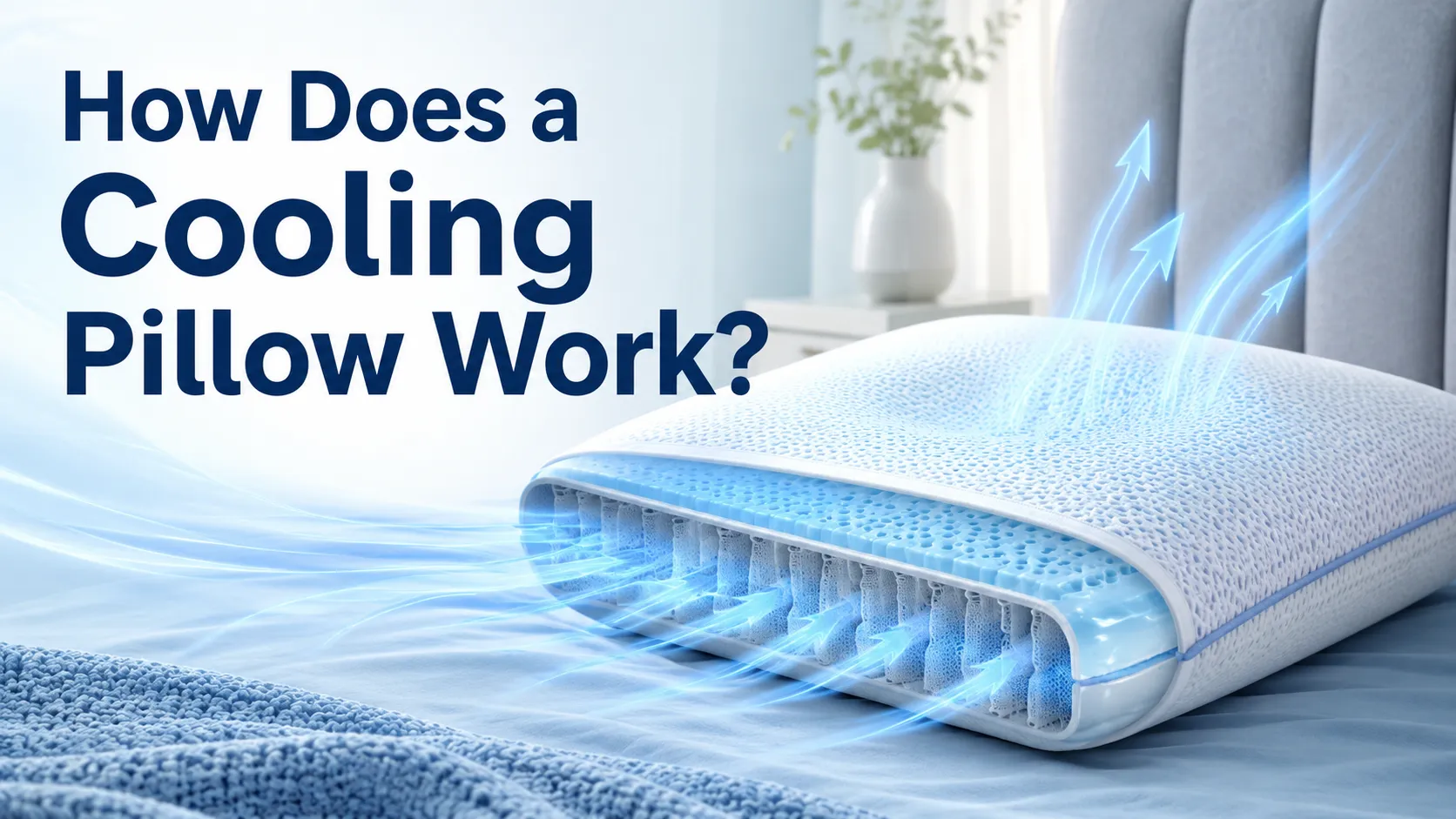
A cooling pillow works by helping heat move away from your head, neck, and pillow surface. It may use breathable fabric, gel layers, ventilated foam, moisture-wicking covers, or natural materials like cotton, bamboo, latex, or linen to make your pillow feel cooler and more comfortable.
Quick Answer: How Does a Cooling Pillow Work?
A cooling pillow does not work like an air conditioner. It does not make cold air by itself.
Instead, it helps manage heat and moisture while you sleep. It can pull heat away from your skin, allow more air to move through the pillow, and help sweat dry faster.
That is why many hot sleepers feel more comfortable on a cooling pillow than on a regular pillow.
My Simple View as a Bedroom Comfort Writer
I am Elliot Sage, and I spend a lot of time thinking about cozy bedrooms, better bedding, and simple sleep comfort.
One thing I have learned is this: your pillow can change how your whole bed feels.
If your head feels warm, your body often feels warm too. You may flip the pillow again and again. You may wake up with damp hair. You may feel like your room is fine, but your pillow is not.
That is where a cooling pillow can help.
It is not magic. It is just smart material, airflow, and moisture control working together.
What Is a Cooling Pillow?
A cooling pillow is a pillow made to feel cooler than a standard pillow. It is built for better airflow, less heat buildup, and more comfort for people who sleep warm.
Some cooling pillows use gel. Some use shredded memory foam. Some use latex. Some use cotton, bamboo, or other breathable fabric on the cover.
The goal is simple. A cooling pillow should help your head and neck stay more comfortable through the night.
Why Do Regular Pillows Feel Hot?
Regular pillows can trap heat. This is very common with dense foam, thick covers, and tight pillowcases.
Your head gives off heat while you sleep. If the pillow cannot move that heat away, the pillow surface gets warm.
Then you wake up and flip the pillow to the “cool side.” Sound familiar?
A hot pillow can feel worse if your room is warm, your comforter is heavy, or your pillowcase is made from thick fabric.
How Does a Cooling Pillow Work?
A cooling pillow works in a few simple ways. Not every pillow uses all of them. But most cooling pillows use at least one of these methods.
1. It Lets Air Move Through the Pillow
Airflow is a big part of cooling.
Some pillows have small holes in the foam. Some use shredded fill instead of one solid block. Some use latex, which often feels more open and springy.
When air can move, heat does not stay trapped as easily.
2. It Pulls Heat Away from Your Skin
Some cooling pillows use gel, graphite, copper, or special cooling fabric. These materials may help move heat away from the pillow surface.
This can make the pillow feel cool when you first lie down.
But keep this in mind. The cooling feel may fade after a while if your room is too warm or the pillow has poor airflow.
3. It Helps Moisture Dry Faster
If you sweat at night, moisture can make your pillow feel sticky and warm.
A cooling pillow cover may use moisture-wicking fabric. This can help move sweat away from your skin.
That does not stop sweating. But it may help the pillow feel drier and more comfortable.
4. It Uses Breathable Pillowcase Materials
The pillowcase matters more than many people think.
A good cooling pillow can feel less effective under a thick, warm pillowcase.
Light cotton, bamboo, linen, or other breathable fabric can help the pillow work better.
Cooling Pillow Features and What They Help With
| Cooling Feature | How It Works | Best For |
|---|---|---|
| Gel layer | Helps pull heat away from the surface | People who like a cool first touch |
| Ventilated foam | Allows air to move through small holes | Hot sleepers who use memory foam |
| Shredded fill | Creates small air spaces inside the pillow | People who want adjustable loft |
| Latex | Feels springy and often allows better airflow | Sleepers who want support and bounce |
| Bamboo cover | Feels soft and may wick moisture | People who want a smooth, cool cover |
| Cotton pillowcase | Breathes well and feels natural | Most bedrooms and everyday use |
Does a Cooling Pillow Stay Cold All Night?
Most cooling pillows do not stay cold all night.
They may feel cool at first. Then they may settle into a more neutral feel.
That is normal.
A cooling pillow works best when the whole bedroom setup supports it. Your bedsheet, blanket, comforter, mattress topper, and room temperature all matter.
For general sleep comfort, many experts suggest keeping the bedroom cool, dark, and quiet. The Sleep Foundation’s guidance on bedroom temperature explains why room temperature can affect sleep comfort.
Why Cooling Pillows Matter for Bedroom Comfort
A pillow is close to your face, head, and neck for hours.
If it traps heat, you notice it fast.
A better pillow can make your whole bed feel calmer. It may help you toss less. It may help you stop flipping the pillow so often.
For hot sleepers, that small comfort upgrade can feel big.
Common Bedroom Problems a Cooling Pillow May Help
| Bedroom Problem | Possible Cause | Simple Comfort Fix |
|---|---|---|
| Pillow feels hot after 20 minutes | Dense foam or poor airflow | Try ventilated foam, latex, or shredded fill |
| Pillowcase feels damp | Sweat or low-breathable fabric | Use cotton, bamboo, or linen pillowcases |
| Bed feels warm even with a cool pillow | Heavy bedding or thick comforter | Use lighter bedding layers |
| Room feels stuffy | Poor airflow or warm air | Use a fan, air purifier, or better air flow |
| Neck feels uncomfortable | Wrong pillow height | Pick a pillow loft for your sleep style |
| You wake up often | Many possible causes | Improve sleep hygiene and talk to a doctor if it continues |
Cooling Pillow Materials Explained Simply
Gel Memory Foam
Gel memory foam pillows often feel cool at first touch. The gel may help spread heat across the pillow surface.
But memory foam can still hold heat if it is too dense.
If you like memory foam, look for a gel pillow with ventilation or a breathable cover.
Shredded Memory Foam
Shredded memory foam has small foam pieces inside. This gives the pillow more air spaces than one solid foam block.
Many shredded foam pillows also let you remove or add fill. That helps you adjust the height.
Latex Pillow
Latex pillows often feel springy, supportive, and more breathable than dense memory foam.
They can be a good choice if you want support without a stuck-in-the-pillow feel.
Bamboo Cover
A bamboo pillow usually means the cover uses bamboo-derived fabric. It can feel smooth and cool.
The inside may still be memory foam, latex, or another fill. So always check both the cover and the fill.
Cotton and Linen
Cotton and linen are popular for bedding because they can feel light and breathable.
If your cooling pillow feels too warm, your pillowcase may be the problem. A simple cotton or linen pillowcase can help.
Cooling Pillow vs Regular Pillow
| Feature | Cooling Pillow | Regular Pillow |
|---|---|---|
| Heat control | Made to reduce heat buildup | May trap heat more easily |
| Airflow | Often uses breathable design | Depends on fill and cover |
| Moisture feel | May use moisture-wicking cover | May feel damp if fabric is thick |
| Best use | Hot sleepers and warm bedrooms | Cool rooms or sleepers who do not overheat |
| Comfort feel | Can feel cool, airy, or dry | Can feel soft, firm, warm, or neutral |
Who May Like a Cooling Pillow?
A cooling pillow may be a good fit if you often wake up warm.
It may also help if your pillow gets hot faster than the rest of your bed.
You may like one if you are a hot sleeper, use a heavy comforter, live in a warm state, or have a bedroom that holds heat at night.
It can also be useful in a guest bedroom. Guests have different sleep needs, and a breathable pillow is often a safe comfort choice.
Cooling Pillow Tips by Sleep Position
| Sleep Position | What to Look For | Simple Tip |
|---|---|---|
| Side sleeper | Medium to high loft | Keep your neck in a straight line |
| Back sleeper | Medium loft | Avoid pillows that push your head too far forward |
| Stomach sleeper | Low loft | Use a thin pillow to reduce neck bend |
| Combination sleeper | Adjustable fill | Choose a pillow you can shape easily |
Real-World Bedroom Examples
Example 1: The Warm Memory Foam Bedroom
Let’s say you use a memory foam mattress topper, a thick comforter, and a dense pillow.
Your bed may feel cozy in winter. But in summer, it can feel too warm.
In this case, a cooling pillow may help. But I would also switch to lighter bedsheets and a breathable pillowcase.
Example 2: The Small Bedroom That Gets Stuffy
Small bedrooms can hold heat fast.
If your room has poor airflow, even the best cooling pillow may feel warm after a while.
A small fan, clean air filter, open airflow path, or air purifier may help the room feel fresher.
The EPA’s indoor air quality resources can help you learn more about air inside the home.
Example 3: The Guest Bedroom Setup
For a guest bedroom, I like simple, breathable bedding.
A cooling pillow, cotton bedsheet, light blanket, and soft bedside lamp can make the space feel calm.
You do not need a luxury setup. You need a room that feels fresh, clean, and easy to sleep in.
Common Mistakes People Make With Cooling Pillows
Mistake 1: Expecting It to Feel Ice Cold
A cooling pillow is not a freezer pack.
It should feel cooler and more breathable, not icy all night.
Mistake 2: Using a Thick Pillowcase
A heavy pillowcase can block the cooling feel.
Use a breathable pillowcase made from cotton, bamboo, or linen.
Mistake 3: Ignoring Pillow Height
A pillow can feel cool but still be wrong for your neck.
Comfort comes from both cooling and support.
Mistake 4: Keeping Heavy Bedding
If your comforter traps heat, your pillow can only do so much.
Think about the whole bedding setup.
Mistake 5: Not Washing Bedding Often Enough
Dust, sweat, and oils can build up in bedding.
Fresh pillowcases and clean sheets can make your bed feel cooler and nicer.
Practical Tips to Make a Cooling Pillow Work Better
- Use a breathable pillowcase.
- Choose cotton, bamboo, or linen sheets.
- Keep your bedroom cool and dark.
- Use lighter blankets in warm months.
- Try blackout curtains if sunlight heats the room.
- Keep your nightstand clear for better airflow.
- Use a fan if your room feels still.
- Wash pillowcases often.
- Let your pillow air out when needed.
- Match pillow height to your sleep style.
Cooling Pillow and Sleep Hygiene
A cooling pillow is only one part of sleep comfort.
Your bedroom lighting, sound, air quality, and bedtime routine also matter.
Soft bedroom lighting can help your room feel calmer. White noise may help if your home is noisy. Blackout curtains may help block street lights or early sun.
The CDC shares general sleep tips that can help you build better sleep habits.
If you have long-term insomnia, breathing issues, chronic pain, or serious sleep problems, it is best to speak with a healthcare professional.
Notes Before You Choose a Cooling Pillow
Note: Cooling pillows can support comfort, but they do not treat medical problems. If night sweats, pain, or sleep trouble keeps happening, talk to a doctor.
Note: The pillowcase can change how cool a pillow feels. A breathable cover often helps more than people expect.
Note: A cooler pillow works best with a cooler bedroom. Think about the pillow, bedding, and room together.
Do Cooling Pillows Really Work?
Yes, cooling pillows can work for comfort. But results vary.
Some people notice a big change. Others notice only a small difference.
The best results usually come when the pillow has good airflow, the pillowcase is breathable, and the room is not too warm.
For me, the main value is not “cold.” The main value is less heat buildup.
What About Night Sweats?
A cooling pillow may help your pillow feel drier and more comfortable if you sweat at night.
But it does not fix the cause of night sweats.
If night sweats are heavy, sudden, or ongoing, it is wise to talk with a doctor. For general health information, the Cleveland Clinic explains night sweats in a clear way.
Simple Bedroom Setup for Hot Sleepers
If you sleep hot, I would not stop at the pillow.
I would build a cooler bed from top to bottom.
- Start with a breathable cooling pillow.
- Add a cotton, bamboo, or linen pillowcase.
- Use light bedsheets.
- Pick a comforter that matches the season.
- Avoid too many blankets.
- Keep the bedroom cool and shaded.
- Use soft lighting before bed.
- Keep the room clean and uncluttered.
This setup feels simple. But simple often works best.
Key Takeaways
- A cooling pillow helps reduce heat buildup around your head and neck.
- It may use gel, latex, airflow channels, shredded foam, or cooling fabric.
- It does not stay ice cold all night.
- A breathable pillowcase can make a big difference.
- Your bedsheet, blanket, comforter, and room temperature also matter.
- Side sleepers, back sleepers, and stomach sleepers need different pillow heights.
- Cooling pillows are for comfort, not medical treatment.
- For ongoing sleep issues, talk with a doctor.
FAQ About How Cooling Pillows Work
How does a cooling pillow work?
A cooling pillow works by moving heat away from your head, improving airflow, and helping moisture dry faster. It may use gel, breathable foam, latex, or cooling fabric.
Do cooling pillows stay cold all night?
Most cooling pillows do not stay cold all night. They usually feel cooler at first, then help reduce heat buildup while you sleep.
Are cooling pillows good for hot sleepers?
Yes, many hot sleepers find cooling pillows helpful. They may feel more comfortable, especially with breathable sheets and a cool bedroom.
Do I need a special pillowcase for a cooling pillow?
You do not always need one, but a breathable pillowcase helps. Cotton, bamboo, and linen are good choices for a cooler feel.
Can a cooling pillow help with night sweats?
It may help the pillow feel drier and cooler. But it does not treat the cause of night sweats. Talk to a doctor if night sweats continue.
Is gel or latex better for a cooling pillow?
Gel can feel cool at first touch. Latex often has better airflow and bounce. The better choice depends on your comfort needs.
Can side sleepers use cooling pillows?
Yes. Side sleepers should look for a cooling pillow with enough height to keep the neck straight and supported.
Why does my cooling pillow still feel warm?
Your room may be too warm, or your pillowcase may be too thick. Heavy bedding can also trap heat around your body.
Conclusion: A Cooling Pillow Works Best as Part of a Cooler Bedroom
So, how does a cooling pillow work?
It works by helping heat, air, and moisture move better around your head and neck. It may use cooling fabric, gel, ventilated foam, shredded fill, latex, or breathable covers.
My practical advice is simple. Do not expect an icy pillow all night. Look for comfort, airflow, support, and a cooler sleep surface.
Then pair it with breathable pillowcases, light bedding, a calm bedroom setup, and a room temperature that feels good to you.
That is how a cooling pillow can become more than a bedding trend. It can become a small but useful part of a cozy, cooler, and more restful bedroom.