Can Cooling Pillows Be Washed in a Washing Machine?

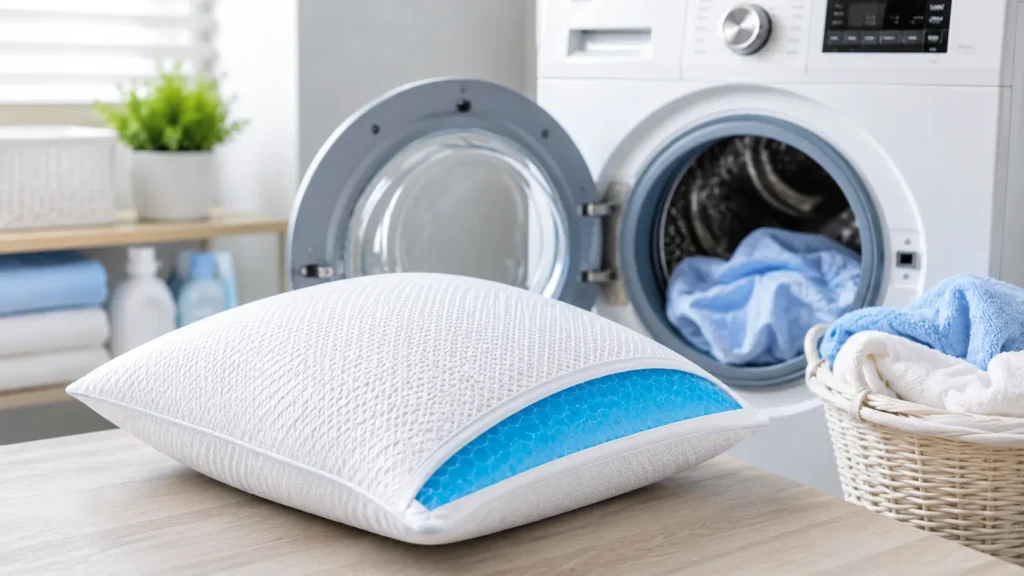
You’ve had your cooling pillow for a few months now. It feels less fresh. Maybe it’s starting to smell a little. So you wonder — can cooling pillows be washed in a washing machine? It’s a great question, and the honest answer is: it depends on the type. In this article, I’ll walk you through exactly which cooling pillows can go in the washer, which ones can’t, and how to clean each one safely without ruining the cooling technology inside.
Can Cooling Pillows Be Washed in a Washing Machine? The Quick Answer
Here’s the short version — some can, and some absolutely cannot.
The biggest mistake people make is assuming all pillows wash the same way. They don’t. A cooling pillow uses specific materials — gel layers, open-cell foam, phase change covers, or natural fills like buckwheat — and each one reacts very differently to machine washing.
Here’s a quick breakdown before we get into the details:
| Pillow Type | Machine Washable? | Best Cleaning Method |
|---|---|---|
| Shredded memory foam | Sometimes — check label | Gentle cycle, low spin |
| Solid gel foam block | No — damages gel layer | Spot clean only |
| Latex (natural or synthetic) | No — causes breakdown | Spot clean and air dry |
| Buckwheat hull | No — hulls absorb water | Empty hulls, wash cover only |
| Down alternative fill | Yes — gentle cycle | Low heat, tumble dry |
| Cooling cover only (PCM) | Usually yes — check label | Cold water, gentle cycle |
Understanding your pillow type is the single most important step — and that’s exactly what we’ll cover next.
Why the Fill Material Determines Everything
Have you ever pulled a pillow out of the washer and found it lumpy, misshapen, or completely flat? That’s what happens when the wrong fill meets a washing machine. And with cooling pillows, the stakes are higher — because the technology inside is what makes them work.
Solid Gel Foam — Do Not Machine Wash
Solid gel-infused foam blocks are the most common type of cooling pillow fill. The gel layer is bonded to the foam during manufacturing. Machine washing — even on a gentle cycle — can break that bond. The result? The gel separates, the foam warps, and the cooling effect is gone for good.
I made this mistake once with a pillow I genuinely loved. One wash on a delicate cycle and it came out with a visible crack through the foam. The pillow was useless after that. Lesson learned the hard way.
💡 Rule of Thumb: If your cooling pillow has a solid foam core of any kind — gel-infused or not — do not put it in the washing machine. Ever. Spot clean the pillow itself and machine wash the cover separately.
Shredded Foam Fill — Sometimes Safe
Shredded memory foam is more forgiving than solid foam. Because the foam is broken into small pieces, it’s more flexible in water. But “sometimes safe” is not the same as “always safe.”
Check the care label first. If it says machine washable, use a front-loading washer — the agitator in a top-loading machine can tear the foam pieces apart. Use a gentle cycle with cold water and the lowest possible spin speed.
Latex — Never Machine Wash
Natural and synthetic latex pillows are incredibly durable — but they hate water. Submerging latex in a washing machine causes the material to break down from the inside. You won’t see the damage right away, but the structure weakens significantly with every wash. Over time it crumbles.
Spot clean only. Use a damp cloth with mild soap, work it gently into the surface, then rinse with a barely damp cloth. Air dry completely before using — which brings us to an important point we’ll cover shortly.
Buckwheat Hulls — Wash the Cover, Not the Fill
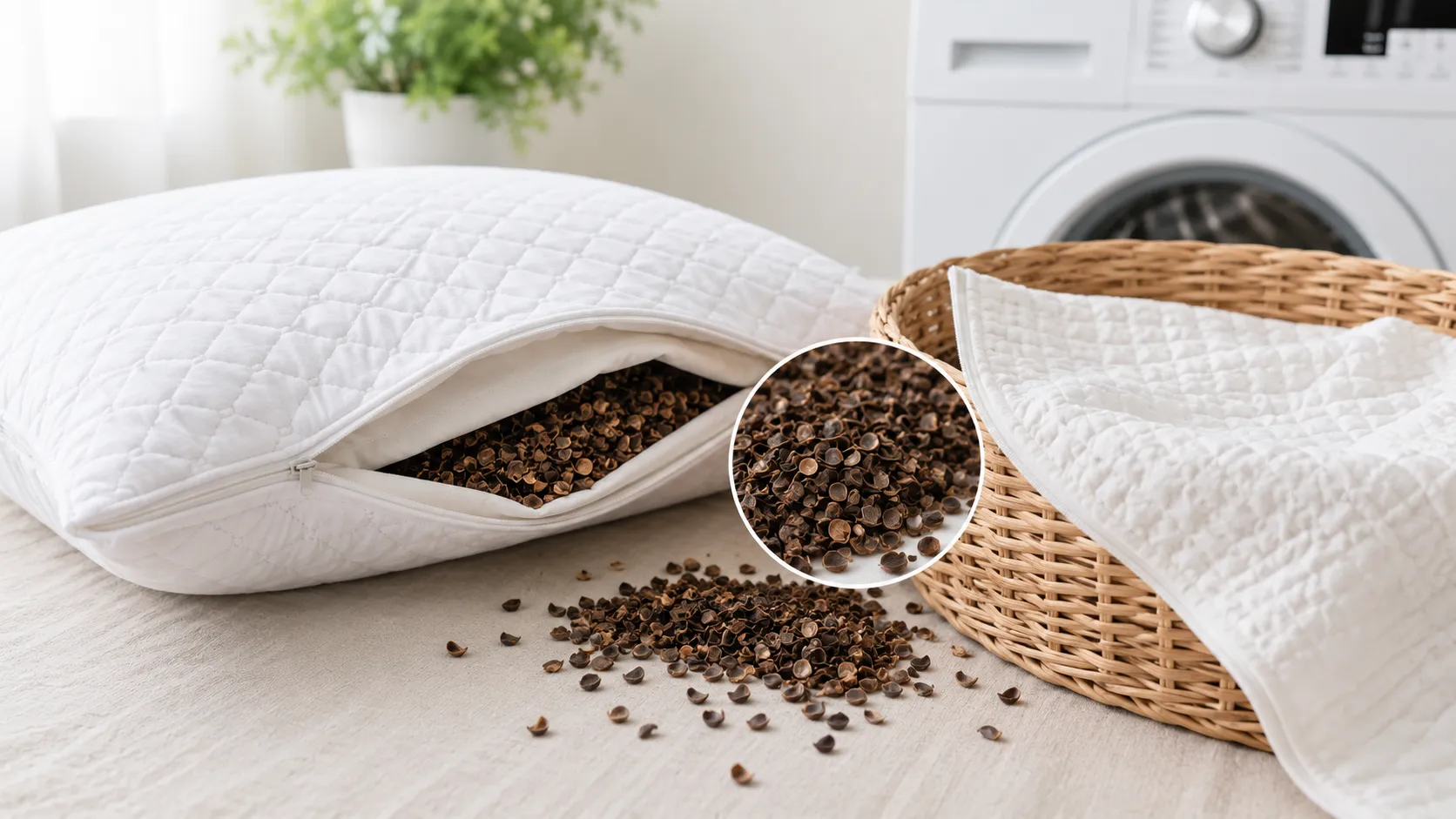
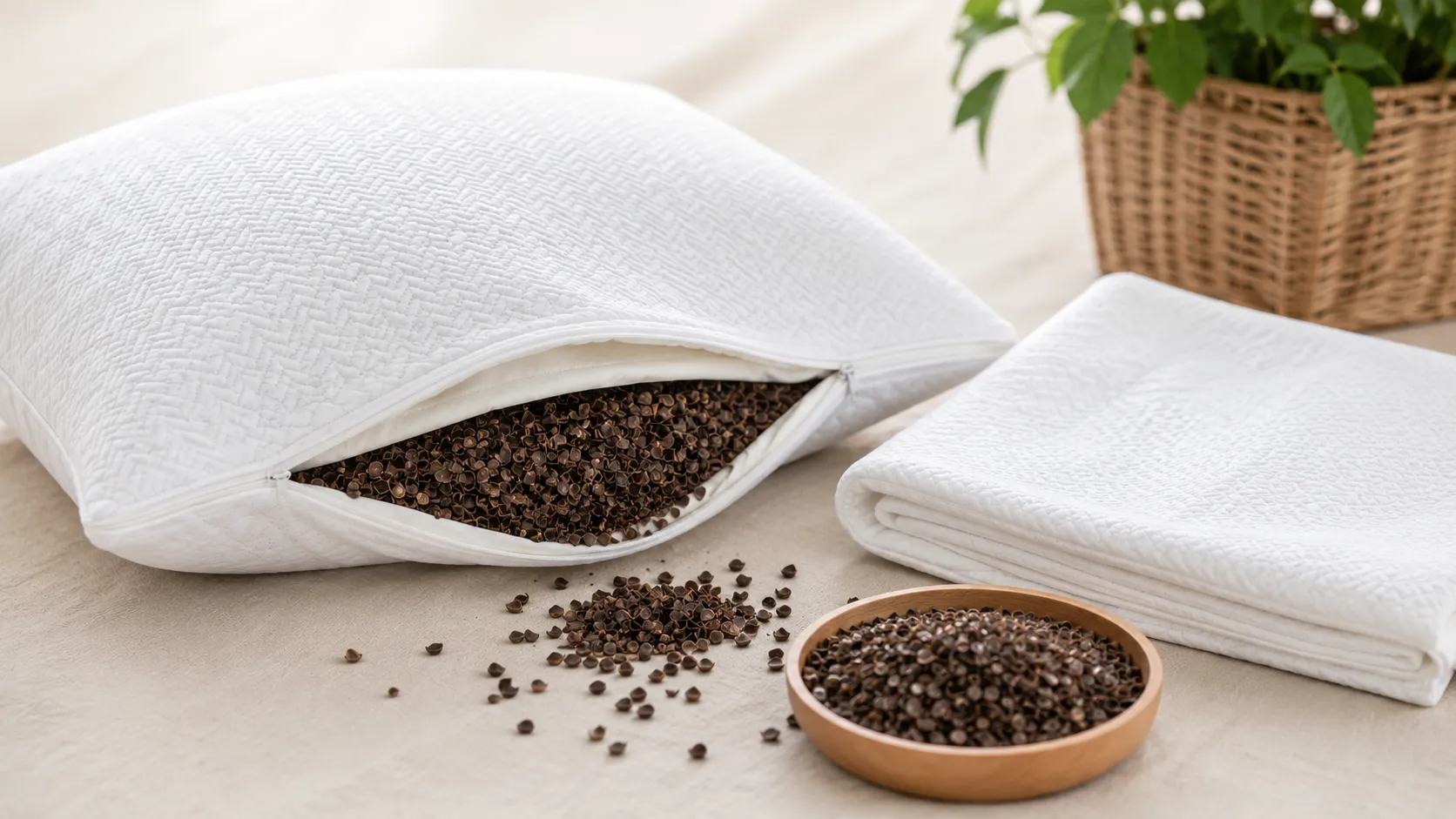
Buckwheat hull pillows are wonderfully breathable — but the hulls themselves cannot get wet. They absorb water, take forever to dry, and can develop mold inside the pillow before you even notice.
The good news — most buckwheat pillows have a removable inner case. Open the zipper, pour the hulls into a large bowl or bag, then machine wash just the cotton or linen case. Let the hulls air out in sunlight while the case dries. Then refill and zip back up.
Down Alternative Fill — Generally Safe
Down alternative cooling pillows — often with breathable covers — are the most machine-friendly type on this list. The synthetic fiber fill handles water well and bounces back when dried properly.
Use a gentle or delicate cycle with cold water. Add an extra rinse cycle to make sure all detergent is out — leftover soap residue can reduce breathability. Dry on low heat and add two clean tennis balls to the dryer to keep the fill from clumping.
What Makes Cooling Pillows Cool?
How to Wash Cooling Pillows Safely — Step by Step
Whether your cooling pillow can go in the machine or needs hand care, here’s the exact process that protects both the pillow and the cooling technology inside.
For Machine-Washable Cooling Pillows
- Check the care label first. Always. Even if you’re confident about the fill type, the manufacturer knows best. Look for water temperature, spin speed, and drying instructions.
- Remove the pillowcase and cover. Wash the pillow itself separately from any removable cooling cover or pillowcase. They may need different settings.
- Use a front-loading washer. No agitator. The tumbling action is gentler and won’t stress the fill or stitching.
- Select cold water and gentle cycle. Hot water breaks down foam and cooling materials faster. Cold water is always safer.
- Use a small amount of mild detergent. Too much soap leaves residue that clogs breathable foam structures. Half the normal amount is usually enough.
- Run an extra rinse cycle. This removes all soap and prevents residue buildup inside the fill.
- Dry thoroughly before use. This is critical. See the drying section below.
For Non-Machine-Washable Cooling Pillows
- Spot clean stains immediately. Use a clean damp cloth with a small drop of mild liquid soap. Dab — never rub — to avoid spreading the stain deeper into the foam.
- Rinse with a barely damp cloth. Remove all soap residue from the surface without soaking the fill.
- Air dry completely. Stand the pillow upright in a well-ventilated area. Never use it until it’s fully dry — even slightly damp foam can develop mold.
- Use a pillow protector. This is the single best thing you can do for a non-washable cooling pillow. A washable protector goes between the pillow and pillowcase. It catches oils, sweat, and dust — so the pillow itself stays clean longer.
💡 Pro Tip: Always use a pillow protector under your pillowcase — not instead of it. A good protector extends the life of your cooling pillow dramatically and reduces how often deep cleaning is needed.
Drying — The Step Most People Get Wrong
Here’s something surprising — improper drying damages cooling pillows more than improper washing. And most people rush this step.
Think of it like this. Damp foam is like a wet sponge left in a closed container. On the outside it looks fine. But inside, mold and bacteria are growing — and that’s both a hygiene problem and a health risk.
Machine Drying Rules
- Always use the lowest heat setting — high heat melts foam cells and degrades gel cooling technology
- Add two clean tennis balls or dryer balls — they break up clumps and speed up drying without heat
- Run multiple drying cycles — most cooling pillows need at least two full cycles on low heat to dry completely
- Check the center of the pillow after each cycle — if it still feels cool or damp inside, keep drying
Air Drying Rules
- Place the pillow flat on a clean dry towel in a well-ventilated room
- Flip the pillow every few hours to dry both sides evenly
- Direct sunlight helps — it also naturally kills bacteria and neutralizes odors
- Allow at least 24 hours for solid foam pillows to dry fully — never rush this
Key Facts About Washing Cooling Pillows Most People Don’t Know
A few things genuinely surprised me when I started researching cooling pillow care — and I think they’ll surprise you too.
- Washing too often reduces cooling performance. Every wash — even a gentle one — slightly compresses foam cells and reduces airflow over time. Most cooling pillows only need washing every 3–6 months. The cover and pillowcase should be washed far more frequently.
- Fabric softener is the enemy. It coats breathable fabrics and foam cells with a waxy residue. This blocks airflow and significantly reduces the cooling effect. Never use it on cooling pillows or their covers.
- The cover matters more than you think. A removable PCM cooling cover should be washed separately — usually in cold water on a gentle cycle. But high heat destroys the phase change technology permanently. Once it’s gone, it doesn’t come back.
- Odors mean it’s time to clean — not just air out. If your cooling pillow has developed a persistent smell, airing it out won’t fix it. A proper spot clean or targeted deodorizing treatment is needed.
- Baking soda is your best friend. Sprinkling a thin layer of baking soda over a solid foam cooling pillow, leaving it for an hour, then vacuuming it off is one of the most effective odor-removal methods — with zero water involved.
Common Washing Mistakes That Ruin Cooling Pillows
Most cooling pillow damage happens not from normal use — but from well-meaning cleaning attempts. Here are the mistakes to avoid.
Mistake 1 — Using Hot Water
Hot water breaks down foam cell walls and melts the adhesive that bonds gel layers to foam. Even warm water is risky for many cooling materials. Always use cold water — it cleans effectively without the thermal damage.
Mistake 2 — Using a Top-Loading Washer with an Agitator
The central agitator in a top-loading machine spins fast and pulls fabric hard. For a foam or shredded fill pillow, this creates stress tears inside the fill. A front-loading washer is always the safer choice for any pillow washing.
Mistake 3 — Not Drying Completely
This is the most common — and most damaging — mistake. A pillow that feels dry on the outside can still be significantly damp inside. Mold growth starts within 24–48 hours in a damp foam environment. Always over-dry rather than under-dry.
Mistake 4 — Ignoring the Care Label
I know it’s tempting to skip the label. But cooling pillow manufacturers test their specific materials and know exactly what they can handle. A 30-second label check can save you from an expensive replacement.
Mistake 5 — Washing the Pillow When You Should Just Wash the Cover
For most non-washable cooling pillows, the fix is simple — wash the cover more often, not the pillow itself. A quality pillow protector washed weekly catches almost everything before it reaches the pillow. The pillow underneath can stay clean for months with minimal spot cleaning.
💡 Simple Rule: Wash your pillowcase weekly. Wash your pillow protector every 2–4 weeks. Wash or spot clean the cooling pillow itself every 3–6 months only.
Who Needs to Wash Cooling Pillows More Often?
Not everyone needs to clean their cooling pillow on the same schedule. Some sleepers need more frequent attention than others.
| Sleeper Type | Why More Cleaning Is Needed | Recommended Frequency |
|---|---|---|
| Hot sleepers and night sweaters | More moisture reaches the pillow fill | Every 2–3 months |
| Allergy sufferers | Dust mites and allergens build up faster | Every 2–3 months |
| People with oily skin or hair | Oils penetrate covers and reach the fill | Every 3 months |
| Pet owners (pets sleep on bed) | Pet dander and hair build up in foam | Every 2 months |
| Average sleeper with protector | Protector handles most contaminants | Every 4–6 months |
The good news is that a quality pillow protector — washed regularly — can push any of these timelines longer by keeping the pillow itself cleaner between deep cleans.
Frequently Asked Questions
Can I put my cooling pillow in the washing machine?
It depends on the fill type. Down alternative and shredded foam cooling pillows are often machine washable on a gentle cold cycle. Solid gel foam, latex, and buckwheat hull pillows should never go in the washing machine — they need spot cleaning or special care instead. Always check the care label first.
What happens if I wash a gel foam cooling pillow in the machine?
Machine washing a solid gel foam pillow can break the bond between the gel layer and the foam, causing it to crack or separate. The foam may also warp or compress permanently. Once this happens, both the support and the cooling effect are usually gone and the pillow needs replacing.
How do I get rid of smell from a cooling pillow without washing it?
Sprinkle a thin layer of baking soda over the pillow surface, leave it for 60 minutes, then vacuum it off thoroughly. You can also air the pillow in direct sunlight for a few hours — UV light naturally neutralizes odor-causing bacteria. For persistent smells, spot clean with a very lightly damp cloth and mild soap, then air dry completely.
How often should I wash my cooling pillow?
For most sleepers with a pillow protector in place, every 3–6 months is enough for the pillow itself. Wash your pillowcase every week and your pillow protector every 2–4 weeks. Hot sleepers or allergy sufferers may need to clean the pillow itself every 2–3 months.
Can I use fabric softener when washing my cooling pillow?
No — never use fabric softener on cooling pillows or their covers. Fabric softener leaves a waxy coating on fibers and foam cells that blocks airflow and significantly reduces the cooling effect. Use a small amount of mild liquid detergent only, and always run an extra rinse cycle to remove all residue.
Final Thoughts: Washing Cooling Pillows the Right Way
So — can cooling pillows be washed in a washing machine? Some yes, many no — and knowing the difference is what protects your investment and keeps the cooling technology working.
The three things to remember: always check the care label before washing, use cold water and a gentle cycle for machine-safe types, and never skip the drying step. A damp pillow is always worse than a slightly dirty one.
And the simplest thing you can do starting today? Add a pillow protector if you don’t already have one. It’s the single most effective way to extend the life of any cooling pillow — washable or not — and keeps your sleep environment fresh between deep cleans.
How Does a Cooling Pillow Work?
=====================================